
Most people think of Palm Beach County as a place to retire, vacation, or escape the cold. But for a small group of everyday investors, the western part of the county is quietly becoming one of the more interesting places in Florida to put money to work – and the opportunity has nothing to do with luxury condos or beachfront estates.
Timothy Quinn, broker and owner of Free Find Realty Inc., has been navigating the Palm Beach County real estate market since the 1990s. When asked where he’d put his own money today, his answer is simple: land.
Why Land, and Why Now
Steady population growth since the pandemic has pushed demand beyond the coastline and into western Palm Beach County, where five- and ten-acre parcels in areas like Loxahatchee and the Acreage remain relatively affordable. Buyers leaving high-tax states, retirees seeking warmth, and remote workers no longer tethered to major cities are all contributing to that pressure.
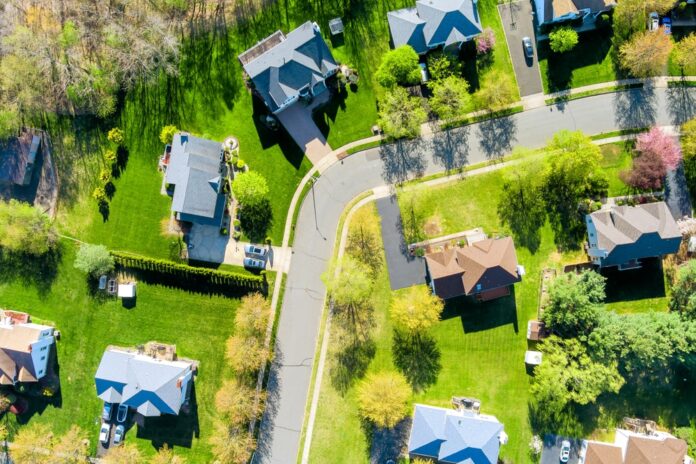
Properties in these western communities are typically an acre or more in size, with no HOA restrictions dictating what owners can park in their driveways or whether they can run businesses on their land. For small business owners who need somewhere to store equipment, trucks, or materials, that freedom has real economic value – and it’s increasingly scarce in South Florida.
The Wellington Factor
Understanding why Western Palm Beach County continues to appreciate requires understanding Wellington. The town is home to the Winter Equestrian Festival, one of the largest and longest-running horse shows in the world, drawing competitors, owners, and spectators from across the globe – including significant wealth from South America and Europe.
The equestrian world doesn’t just visit Palm Beach County. It buys property, builds barns, and spends lavishly. Quinn has seen it firsthand – buyers who skip the house tour entirely and head straight for the barn. “If it’s nice, that sells the house,” he says. “They don’t even need to look at the house.”
Some gated communities in Wellington don’t have traditional homes at all – just barns. The horse economy is a sustained driver of real estate values in this part of the county, and Quinn says the festival continues to expand each year.
What to Watch Out For
Not every segment of the Palm Beach County market offers the same clarity for investors. Quinn flags condos as the most complicated buy right now. Insurance costs have driven monthly association fees to levels that make it difficult to sustain rental income. Special assessments – unexpected charges from condo associations for major repairs – are also becoming more common and harder to predict.
“Condo fees got so expensive because of insurance,” Quinn says. “Condos aren’t selling as well as houses.”
Properties with heavy HOA restrictions present similar challenges, particularly for investors who want flexibility in how they use or rent their holdings. Single-family homes without HOAs and raw land offer the cleanest path for buyers who want control over their investment.
The Seasonal Rhythm
Beyond choosing the right property type, timing matters in Palm Beach County. Quinn has tracked seasonal demand patterns for decades, and they remain remarkably consistent.
Summer brings families relocating before the new school year – buyers focused on school districts and space. Fall brings snowbirds who begin searching for winter retreats, which lifts condo demand. Spring is when the equestrian crowd is most active in Wellington. Each season has its own buyer profile, and investors who understand the rhythm can time purchases and sales more strategically than those who treat the market as uniform year-round.
Looking Ahead
The fundamentals supporting western Palm Beach County – population growth, lifestyle appeal, the equestrian economy, and a steady stream of buyers from across the country – are likely to continue at least in the immeditae future. For everyday investors, the practical takeaway is clear: look west, think land, and avoid condos until the fee environment stabilizes.
The larger question is how long these parcels remain accessible at current prices. As demand continues to push inland and the equestrian economy expands, the window for affordable five- and ten-acre lots may narrow. Investors willing to be patient and selective now may find themselves holding one of the few remaining paths into a market that’s still appreciating steadily.
About the Expert: Timothy Quinn is the broker and owner of Free Find Realty Inc. and has been active in the Palm Beach County real estate market since the 1990s.
This article is based on information provided by the expert source cited above. It is intended for general informational purposes only and does not constitute legal, financial, or real estate advice. Readers should conduct their own research and consult qualified professionals before making any real estate or financial decisions.