
New York State’s lengthy foreclosure process has created an unusual backlog of defaulted properties in the Bronx, some stalled for five to ten years. For investors, this bottleneck offers a rare entry point into a borough that is otherwise becoming harder to access.
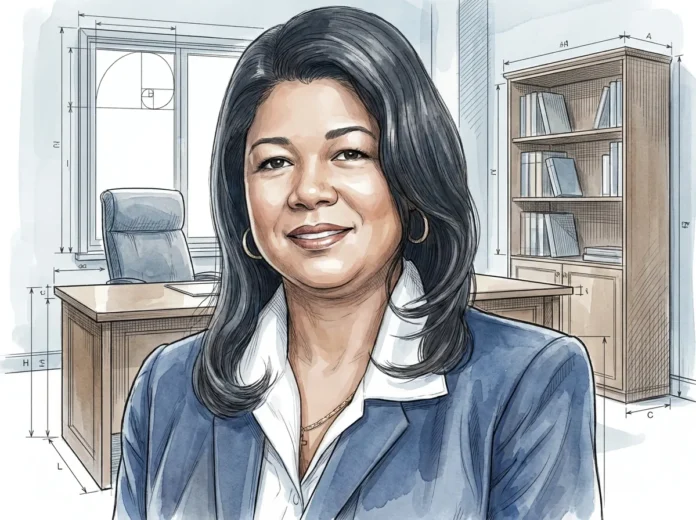
Crystal Hawkins-Syska, Director of Sales at The Crystal Clear Vasile Team at Keller Williams NY Realty, has 22 years of experience covering the Bronx, Westchester, and Hudson Valley. She sees the most actionable investment opportunity in the current New York metro market in the Bronx, specifically its inventory of long-stalled distressed properties.
Foreclosure Backlog Creates Openings
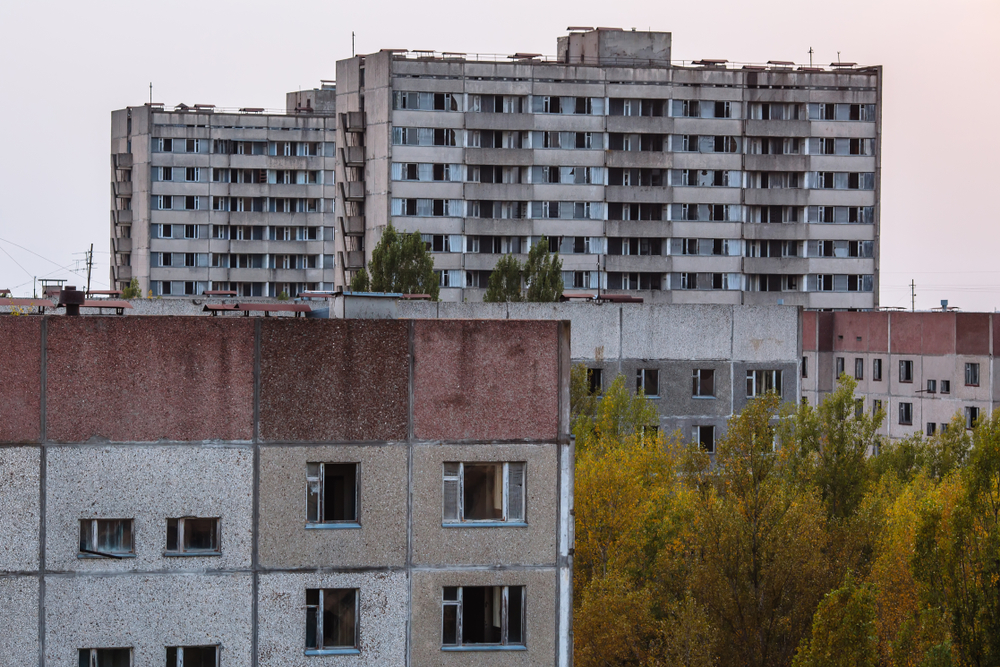
The reason is structural. New York State’s foreclosure process ranks among the most complex in the country, requiring multiple legal steps before a property reaches auction. Properties that entered default years ago are only now becoming available, or are still working through the process.
“There’s an inventory of distressed properties that have been sitting where they’ve defaulted a long time ago. They could have defaulted five or even ten years ago, because New York is such a closed state to foreclose,” Hawkins-Syska says.
This backlog represents a pipeline of properties the broader market has not yet absorbed. Unlike distressed inventory in states with faster foreclosure timelines, these properties have not been driven up through repeated auction cycles. They are entering a borough where end-user demand is growing but renovation costs deter non-investor buyers.
New York’s Last Affordable Borough
Hawkins-Syska’s case for the Bronx rests on a comparison across New York City’s five boroughs. Brooklyn has become unattainable for most middle-income buyers. Queens is increasingly competitive. Manhattan operates in its own pricing tier. The Bronx still functions as a market where properties sell at 96 to 100 percent of list price. That compares to premiums of 107 to 115 percent that Hawkins-Syska reports in Westchester County.
“The Bronx is the last borough standing,” she says. “It is the last affordable borough out of all five boroughs in New York City.”
That relative affordability creates a specific opening for investors targeting two-, three-, and four-family residential properties. Accessible entry prices, a large pool of displaced buyers from other boroughs, and proximity to Manhattan create conditions where renovated multi-family properties can be repositioned effectively. Buyers from Brooklyn and Queens seeking proximity to Manhattan are increasingly looking at the Bronx. That demand is not yet fully reflected in pricing.
Hawkins-Syska also identifies sponsor units in cooperative buildings as a less obvious opportunity. These are units where the sponsoring entity lacks capital to renovate and sell. An investor who funds the renovation can capture the spread between a distressed acquisition cost and the finished unit’s market price.
Probate and Estate Properties Expand Inventory
A second category of distressed inventory supplements the foreclosure pipeline: properties in probate or owned by elderly residents whose families are not positioned to manage a full renovation and sale.
Many carry no mortgage, which changes the dynamic. These families typically want a clean, fast transaction rather than a lengthy renovation and listing process. An investor who offers certainty and speed, even at a discount to market, may find willing sellers who would not engage with a traditional buyer requiring financing and inspections.
“Sometimes with homes that senior citizens owned, probates — some of them are really in disrepair. Often there isn’t a mortgage on the property, so the family doesn’t want to do all the clean out on those homes,” Hawkins-Syska says.
Hawkins-Syska notes that these opportunities, while real, are not plentiful. Distressed deals in the Bronx are neither easy to find nor easy to execute. Relative to Westchester, where investor entry points have largely disappeared, and to other boroughs where prices have absorbed the distressed premium, the Bronx offers a more realistic path to returns.
A Narrowing Window for Investors
Whether the Bronx can sustain its role as the metro area’s most accessible market is an open question. Remote work has reduced the premium on proximity to Manhattan, drawing buyers from further afield to consider the borough. As demand grows and the distressed pipeline is absorbed, today’s entry points may not persist.
The foreclosure backlog that has built up over years will not last indefinitely. As stalled properties clear the legal process and enter the market, competitive pressure will follow. Probate inventory, too, is finite. Investors who move early stand to capture the spread between today’s distressed pricing and the values a renovated, repositioned property can command in a borough with strong end-user demand.
The Bronx is not a market that rewards passive observation. The combination of structural inventory, relative affordability, and proximity to Manhattan creates a window. But windows close. Investors who wait for the opportunity to become obvious may find that the pricing advantage has already moved on.
“The Bronx is the best place that they can go,” Hawkins-Syska says. “There are plenty of people from New York City who want to come out but still have proximity, and the Bronx is the place.”
For investors watching the New York metro market, the argument is straightforward: the Bronx window is open but narrowing.
About the Expert: Crystal Hawkins-Syska is the Director of Sales at The Crystal Clear Vasile Team with Keller Williams NY Realty, with over two decades of experience covering the Bronx, Westchester, Putnam County, Washington Heights, and the Catskills region. Her work focuses on helping buyers and sellers navigate one of the most competitive real estate markets in the country.
This article is intended for informational purposes only and does not constitute legal, financial, or investment advice. The views and opinions expressed herein reflect those of the individuals quoted and do not represent an endorsement of any company, product, or service mentioned. Readers should conduct their own due diligence and consult qualified professionals before making any investment decisions.