

Headline inventory numbers suggest Phoenix has plenty of rental supply, but the city faces a significant shortage of upper-middle-class single-family rentals that relocating professionals need. This supply gap is an overlooked opportunity for investors willing to target an underserved segment.
Inventory Numbers Hide Supply Mismatch
Phoenix’s residential market currently appears balanced, with increased listings and rising pending sales. However, Christy Walker, Broker/Owner at RE/MAX Signature, and Immediate Past President of Phoenix Realtors, says these aggregate numbers obscure a deeper supply problem. The market is not lacking in overall inventory. It is lacking the type of homes that relocating professionals need.
“We are missing a lot of executive housing,” Walker says. “There are plenty of rentals for smaller starter homes and apartments, but what we’re missing are larger, single-family homes.”
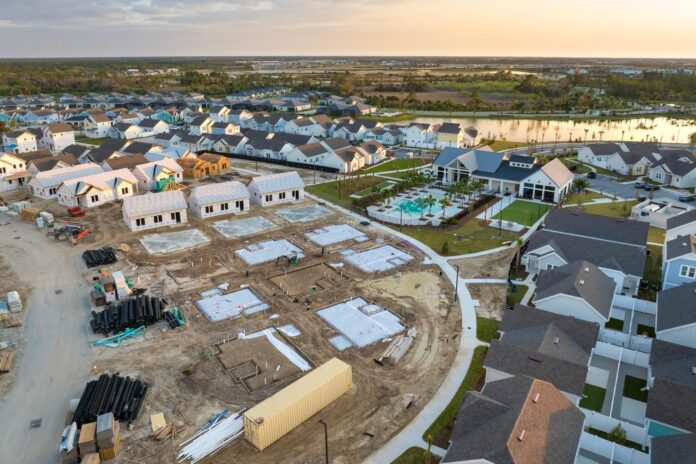
Phoenix has seen a surge of build-to-rent development in recent years, producing an abundance of smaller rental homes aimed at entry-level tenants and young families. That growth has left a gap for established professionals who need larger, high-quality rentals. These professionals typically evaluate neighborhoods and schools before committing to a purchase.
As a result, certain renter segments face genuine scarcity while others have ample choice. For investors and developers, understanding this mismatch is essential. Aggregate inventory data does not reveal where actual demand and opportunity exist.
Build-to-Rent Boom Misses Market
The expansion of Phoenix’s build-to-rent market has reshaped the city’s rental landscape. Walker describes an oversupply of smaller homes designed for entry-level renters, with few options for higher-income households.
“There are a lot of rentals available for smaller starter homes, smaller families and apartments that meet those needs,” Walker says. “But what we’re missing are the larger, single-family homes.”
Most build-to-rent projects target the $1,500 to $2,500 monthly rent range. That suits median-income households but not executives relocating to Phoenix for high-paying jobs. These professionals seek larger homes in established neighborhoods with strong schools and are willing to pay premium rents for the right property.
The shortage is especially notable given Phoenix’s job growth. Major employers are adding thousands of positions to the region, including TSMC’s semiconductor manufacturing plants in North Phoenix and a new 2,400-acre warehouse corridor in Buckeye. Many of these jobs pay well above median income. Walker notes that with TSMC’s first factory now open and more facilities planned, hundreds of ancillary businesses are also moving into the area, bringing thousands of additional employees.
When professionals relocate to Phoenix, they have few suitable rental options. They can buy immediately without knowing the market, settle for housing that does not meet their needs, or look outside Phoenix altogether. None of these outcomes serves the market well.
Relocating Professionals Need Rental Options
The lack of executive housing creates friction for high-income workers considering Phoenix. Walker describes a common scenario: professionals relocating for work want to rent for one year to learn the area before buying.
“If they’re moving here, they want time to find out where to live and if the school system fits their family,” Walker says. “They’re not ready to buy right away.”
For families, this approach is practical. Phoenix is a large city with wide variation in neighborhoods, school quality, and commute times. Renting for a year lets families experience different areas before making a major purchase.
The rental inventory does not support this strategy. Families seeking four-bedroom homes in areas like Scottsdale or Paradise Valley — with good schools and high-end finishes — find few choices. Homes in this category are often owned by individual landlords rather than institutional investors, resulting in inconsistent availability and lease terms.
Some professionals skip renting and buy immediately, increasing the risk of buyer’s remorse. Others settle for smaller or lower-quality homes, leading to dissatisfaction that could affect their long-term decision to stay in Phoenix.
Investor Opportunity in Executive Rentals
Walker sees the executive housing shortage as a clear opportunity for investors. Most build-to-rent developers have targeted the high-volume, lower-priced segment, leaving the upper-middle-class rental market underserved.
“The best opportunity is probably in upper-middle-class or luxury homes that fill a need we don’t have a lot of right now,” Walker says.
This segment requires larger homes in better locations with higher-quality finishes. Monthly rents would likely range from $3,500 to $6,000 or more, targeting households with annual incomes above $150,000.
These tenants tend to be more financially stable and credit-worthy, and are less price-sensitive than entry-level renters. They prioritize convenience and quality and often sign longer leases when a property meets their needs.
Investors who develop or acquire homes in this segment will face limited competition and strong demand. These projects require more capital per unit and target a narrower pool of tenants, making them less attractive to large institutional investors focused on scale.
For investors willing to operate in this niche, the fundamentals are strong. Phoenix’s job growth is concentrated in high-wage fields such as technology, healthcare, and advanced manufacturing. The Arizona Commerce Authority continues to recruit companies in these sectors, creating a steady flow of high-income households that need quality housing. Walker notes the authority has done considerable work vetting and attracting top companies across multiple industries, with thousands of jobs continuing to drive in-migration from states including California, Washington, Oregon, Michigan, and Illinois.
Where Real Rental Demand Exists
Phoenix’s rental market headlines point to abundant supply, but the real story is in the details. The city’s rapid job growth is creating demand for high-quality, executive-level rentals that current inventory cannot meet. Investors who look beyond aggregate statistics and focus on relocating professionals have an opportunity to serve a segment essential to Phoenix’s continued economic growth.
Walker also points to strong submarket activity on the outskirts of the metro area — including Buckeye, Surprise, San Tan, and Queen Creek — where demand for newer, upgraded homes is driving appreciation. Infrastructure and services are expanding in these areas, allowing residents to live further from the urban core while retaining access to amenities.
As long as developers continue focusing on entry-level properties, the executive housing gap will likely persist. For investors who recognize this mismatch and are willing to meet the needs of relocating professionals, the shortage and the opportunity will remain.