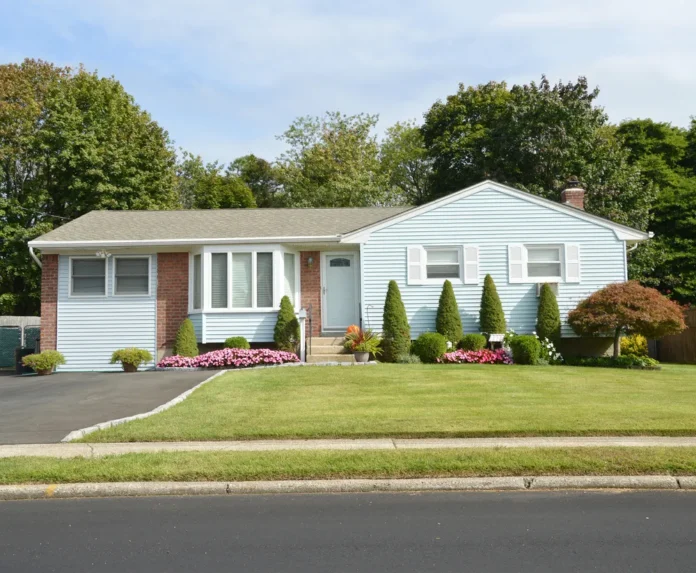

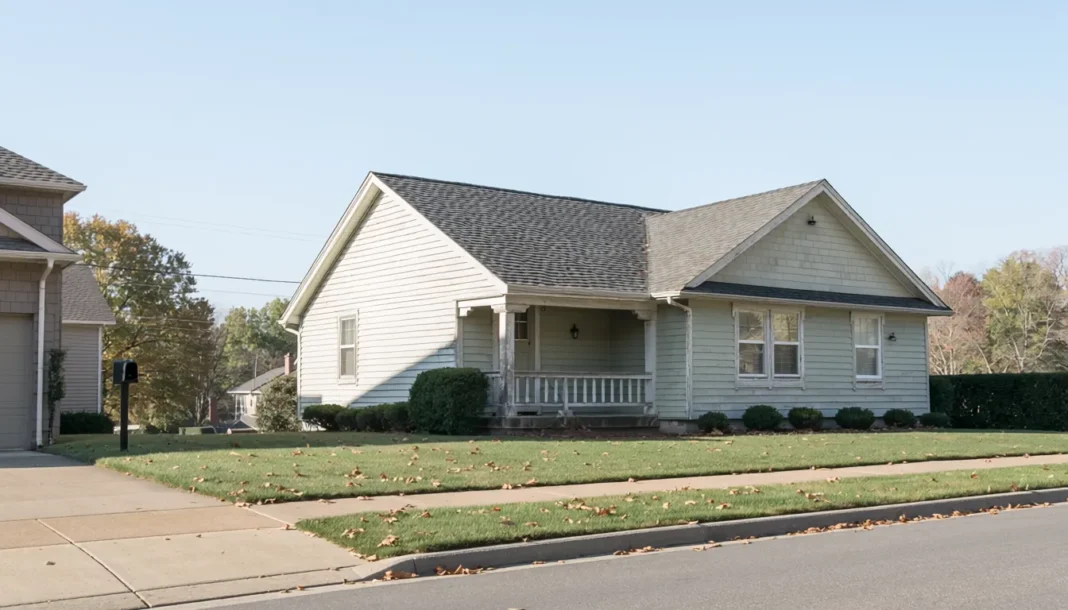
In a wobbly economy, small cost differences start to matter. In Pittsburgh, the gap between city and suburban tax rates has become large enough to redirect buyer behavior, and agents working across Allegheny County are watching demand shift accordingly.
The city of Pittsburgh levies a 3% local income tax and a 5% transfer tax on real estate transactions, according to Janette Schafer, a real estate agent with Coldwell Banker Realty in the Pittsburgh market. In surrounding suburbs, those figures drop to 1% and 1 to 2%, respectively. The transfer tax is typically split evenly between buyer and seller. During the strong seller’s market of a few years ago, buyers absorbed those costs without much pushback. That calculus has changed. Buyers are now more price-conscious, and the tax differential is steering more of them toward suburban communities.
“In a nice robust housing market like what we were seeing three, four years ago, buyers didn’t care about that,” Schafer says. “Now they do.”
A Balanced Market With Pockets of Strength
Pittsburgh sits somewhere between a balanced market and a buyer’s market, according to Schafer. Sellers are still doing well, the city’s low cost of living and stable job market continue to attract new residents, but buyers have gained leverage they didn’t have in prior years. Concessions are more common. Repair negotiations go further. Multiple-offer situations still occur, but homes are more often selling at asking price rather than above it.
Certain neighborhoods remain persistently competitive. “There are certain pockets of Pittsburgh that are always going to be sellers’ markets,” Schafer says. “They just are.”
The city’s average home sale price of $250,000 remains a draw, particularly for young professionals comparing Pittsburgh to higher-cost metros. Schafer describes recent graduates weighing their options in straightforward terms: a move-in ready home in Pittsburgh costs roughly half what a comparable property would run in Denver.
Pricing Discipline Still Separates Sellers Who Move From Those Who Sit
For sellers, the shift toward balance has made pricing accuracy more consequential. Schafer notes that overpriced listings are sitting 30, 60, even 90 days – even in a city she describes as the 10th fastest-growing in the United States. The problem is often rooted in outdated comparisons: sellers referencing what a neighbor’s home sold for three or four years ago, in a different economic environment.
“You have to be honest up front and say, hey, I get that your neighbor’s home sold for $20,000 more three or four years ago,” Schafer says. “The economy has changed quite a bit since then.”
Homes priced correctly from the start are still moving within a reasonable timeframe. The ones that aren’t tend to linger, regardless of how strong the broader market feels. Schafer frames her role with sellers as consultative rather than order-taking: set appropriate expectations up front, back them with comparable sales data, and show what happens to listings that ignore that data.
Sewer Lateral Tests Are an Emerging Cost
In older housing stock – which Pittsburgh has plenty of – sewer lateral testing is becoming a more common municipal requirement. When tests reveal problems, repair costs can escalate quickly, often falling on the seller. Schafer has started advising buyers proactively: even if their neighborhood doesn’t currently require the test, purchasing a sewer line insurance rider on their homeowner’s policy can protect against a costly surprise when they eventually sell.
“As more and more neighborhoods are doing it, maybe your neighborhood’s going to change,” she says. “If you get the sewer line insurance rider on your homeowner’s insurance now, that could cover a nasty surprise down the road.”
For sellers, Schafer recommends checking whether their neighborhood requires a sewer lateral test before listing, so they can prepare financially rather than scramble during the transaction.
First-Time Buyers Still Overestimating
The most persistent misconception Schafer encounters among first-time buyers is the belief that a 20% down payment is required. Conventional and FHA programs typically require 3% or 3.5% down, and Pennsylvania offers down payment assistance programs that can reduce that further. Schafer highlights one state program, PHFA, where she says she has had clients walk away from the closing table with rebate checks in hand.
“I don’t know any other state where that happens,” Schafer says.
She also advises buyers to work with local banks rather than national lenders, since many of the grant programs available in low-to-moderate-income tracts require a local lending partner to access.
Home Inspections Derail First-Timer Deals
When first-time buyer deals fall apart, Schafer says the most common culprit is the home inspection, not financing. Buyers unfamiliar with older housing stock can be alarmed by inspection reports that list issues typical for a home’s age. Schafer compares it to the difference between buying a new car and a used one: certain wear is expected and doesn’t necessarily signal a problem worth walking away from.
To prevent panic-driven decisions, Schafer schedules a post-inspection Zoom call with the buyer and the home inspector together. The goal is to separate genuine concerns from items that sound alarming on paper but are routine for the home’s age. That distinction – what requires the seller to act versus what is normal wear and tear – determines whether the deal moves forward or collapses.
Out-of-State Relocations
Pittsburgh is drawing relocating buyers from Florida and Texas, many motivated by recent severe weather seasons in those states. Schafer says she has relocated several individuals and couples from both states over the past year and a half. Combined with an influx of younger buyers attracted to the job market and cost of living, these out-of-state purchasers are adding demand to a market where affordability remains a genuine competitive advantage.
For buyers relocating from higher-cost or weather-volatile markets, Pittsburgh’s combination of a $250,000 average sale price, stable employment, and neighborhood variety presents an increasingly straightforward case. The challenge, Schafer notes, is that Pittsburgh’s roughly 300 neighborhoods each carry their own character and tax structures, a complexity that rewards working with an agent who knows which pockets match a buyer’s actual priorities and budget.
About the Expert: Janette Schafer is a real estate agent with Coldwell Banker Realty in the Pittsburgh, Pennsylvania market.
This article is based on information provided by the expert source cited above. It is intended for general informational purposes only and does not constitute legal, financial, or real estate advice. Readers should conduct their own research and consult qualified professionals before making any real estate or financial decisions.