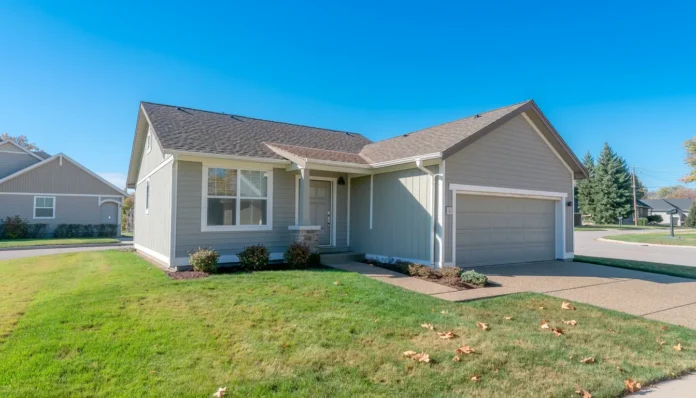

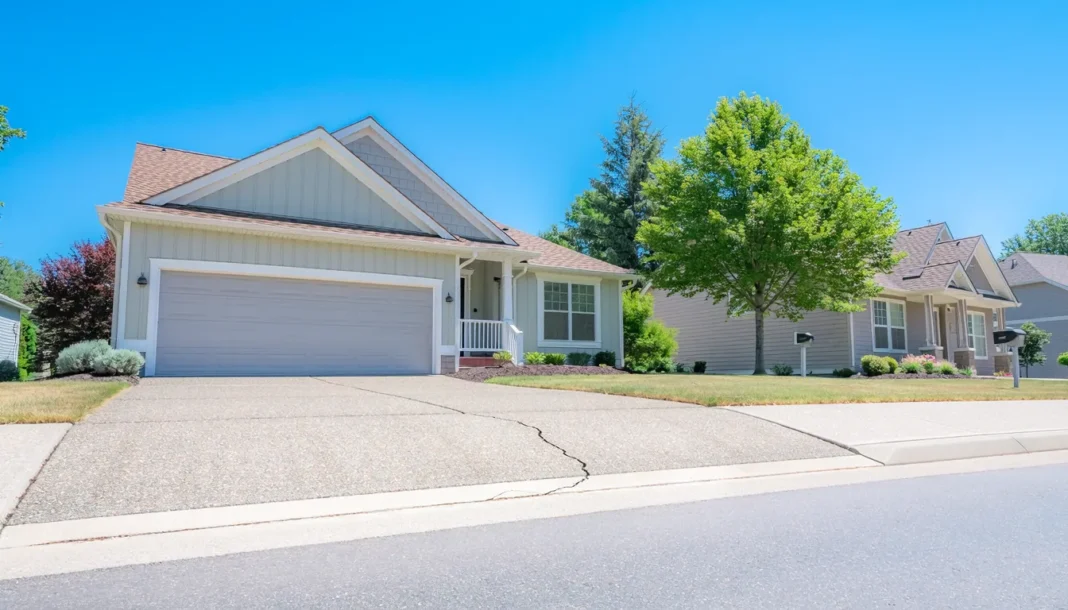
Pittsburgh still draws new residents with its affordability. But low appraisals are derailing home sales that lack one standard contract clause.
Pittsburgh’s real estate market occupies an unusual position. Janette Schafer, a Coldwell Banker agent in Pittsburgh, says the city ranks among the 10 fastest-growing in the United States. Yet economic uncertainty is pushing appraisals below purchase prices. This happens often enough that Schafer now includes an appraisal addendum in every contract. Buyers without that protection pay the price when an appraisal comes in low.
Addendum Saves Stalled Deals
Schafer has seen several recent appraisals come in below the agreed purchase price. In two deals where she represented the buyer, the gap nearly ended the sale. “Right now, the market’s a little rocky, so we have had a couple of appraisal issues,” Schafer says.
In both cases, an appraisal addendum saved the deal. This clause lets buyers renegotiate or exit a contract when an appraisal falls short. “Because we had that appraisal addendum in place, we already had the means to renegotiate, and we were able to renegotiate in both instances successfully,” Schafer says. Without the addendum, buyers facing a low appraisal have three options. They can cover the cash gap, walk away and risk losing their earnest money deposit, or try to renegotiate with no contract terms to support them.
The addendum is not new. During the pandemic-era housing boom, however, buyers often waived appraisal protections to compete against multiple offers. Today, buyers pay closer attention to costs. Schafer says suburban homes now outsell city homes, partly because of tax differences buyers once ignored. Local income tax runs about 1% in Pittsburgh’s suburbs, compared with 3% in the city. Transfer taxes, which buyers and sellers typically split, run 1% to 2% in the suburbs and 5% in the city. “In a robust housing market like what we were seeing three, four years ago, buyers didn’t care about that,” Schafer says. “Now they do.”
Overpriced Homes Sit Longer
Schafer is careful not to overstate Pittsburgh’s difficulties. She says the city’s affordability, stable job market, and population growth still draw buyers from higher-cost areas, including Florida and Texas. The average Pittsburgh home sells for about $250,000, well below prices in most similar cities.
But the economy has changed how both buyers and lenders think, Schafer says. Some sellers set their asking price based on peak values from three or four years ago. Those prices often exceed what recent sales of similar homes support. Appraisers hired through the lender value homes based on those recent sales. The gap is predictable when sellers and buyers disagree about where the market stands.
According to Schafer, overpriced homes are staying on the market for 30, 60, or even 90 days. That is a long time in a city growing as fast as Pittsburgh. “I get that your neighbor’s home sold for $20,000 more three or four years ago,” Schafer says she tells her sellers. “The economy has changed quite a bit since then.”
Pricing Prevents Appraisal Gaps
Schafer starts managing appraisal risk before any inspection or appraisal takes place. For sellers, that means honest conversations about price. “If you price the home appropriately, manage your seller’s expectations, and you act like a consultant instead of an order taker, then their house is going to sell within a reasonable amount of time,” she says.
For buyers, protection comes through the contract. In today’s market, Schafer considers the appraisal addendum a basic professional duty, not an optional extra. The addendum sets clear steps for what happens when an appraisal comes in low. Without it, both parties must improvise under pressure.
Down Payments, Sewer Costs
Pittsburgh’s growth is also drawing first-time buyers. Many are recent graduates attracted by the stable job market and lower home prices. In cities like Denver, Schafer says, a comparable home might cost twice as much. Schafer says many of these buyers wrongly believe they need a 20% down payment. “That’s not the case anymore,” Schafer says. Some conventional loan programs require as little as 3% down. Loans backed by the Federal Housing Administration (FHA) require 3.5% down for qualifying borrowers.
Schafer adds that Pennsylvania offers generous down payment assistance programs. She points to the Pennsylvania Housing Finance Agency (PHFA). She says some of her clients who used PHFA assistance received money back at closing because the assistance exceeded their costs.
Schafer advises buyers shopping in the $150,000 to $200,000 range to ask whether a home sits in a low- to moderate-income census tract. Buying in one of these areas can qualify buyers for $5,000 to $15,000 in down payment grants, she says. She recommends a local bank over a national lender because many of these programs require a participating local lender.
Sewer lateral tests catch many buyers and sellers off guard. These tests check the pipe that connects a home to the public sewer. More Pittsburgh neighborhoods now require one before a sale closes, and sewer line repairs can be expensive. Schafer advises buyers to add sewer line coverage to their homeowner’s policy soon after buying, even if their neighborhood does not yet require the test. “Maybe your neighborhood’s going to change,” she says. “When you go to sell, if a sewer lateral test is required, if you get the sewer line insurance rider on your homeowner’s insurance now, that could cover a nasty surprise down the road.”
For buyers entering Pittsburgh’s market, the contract terms matter as much as the offer price. An appraisal addendum adds no fees to a contract and gives buyers a clear path to renegotiate when an appraisal falls short.
About the Expert: Janette Schafer is a real estate agent with Coldwell Banker Realty in the Pittsburgh, Pennsylvania market.
This article is intended for informational purposes only and does not constitute legal, financial, or investment advice. The views and opinions expressed herein reflect those of the individuals quoted and do not represent an endorsement of any company, product, or service mentioned. Readers should conduct their own due diligence and consult qualified professionals before making any investment decisions.