

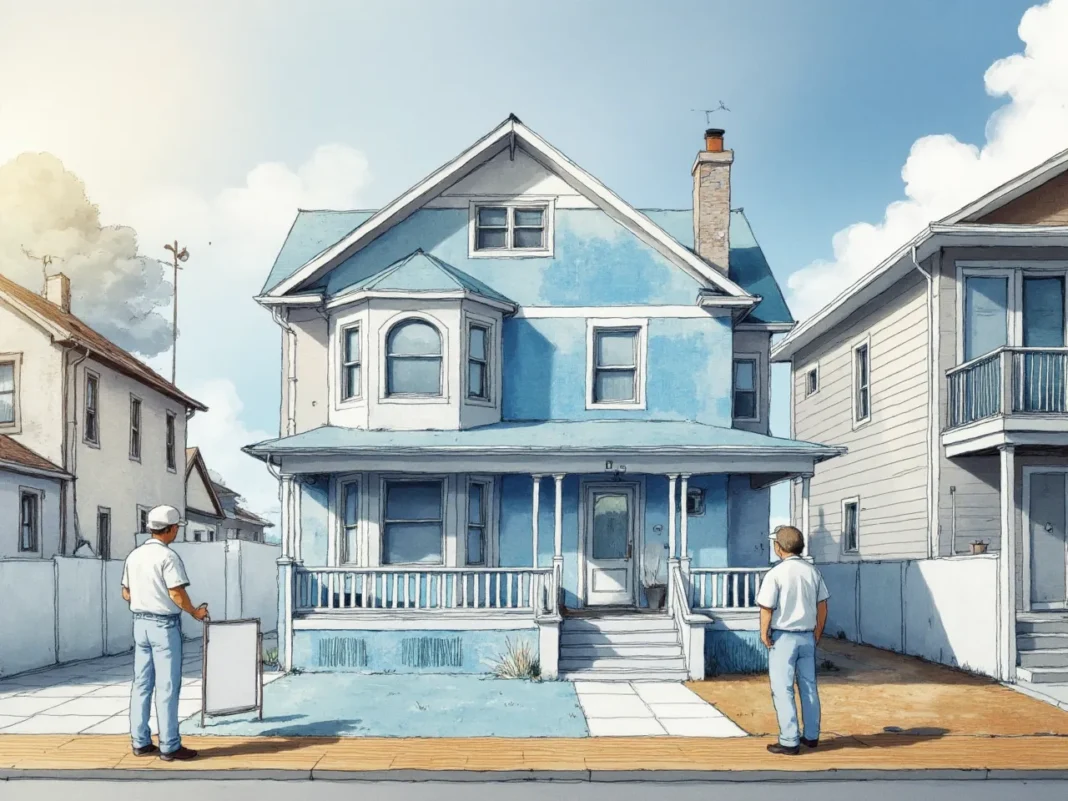
Starter homes in several Jersey Shore neighborhoods are now selling for 20 to 40% more than just a few years ago, as investors and first-time buyers target properties that were once overlooked. Homes that sat neglected or needed work are attracting new attention, with buyers betting on sweat equity and continued price growth in these communities.
Steven Kozusko, a realtor with CENTURY 21 Thomson & Co. serving Monmouth, Ocean, and Middlesex counties, says demand has surged in the region’s more affordable areas. “The lower-end communities are seeing the most activity,” Kozusko says. Buyers are focusing on homes that haven’t been maintained over the years, snapping them up for renovation or rental.
For those willing to take on repairs — or hire contractors — these neighborhoods remain one of the few ways to build equity in a market defined by scarce inventory and rising prices.
What’s Fueling the Price Surge
Three main trends are driving up values in these starter-home areas.
First, inventory is extremely tight. With few homes for sale, buyers priced out of move-in-ready properties are turning to fixer-uppers in less expensive neighborhoods. This increased competition is pushing prices higher, even for homes in need of significant work.
Second, renovation opportunities are drawing investors. Most new construction in the region is limited to age-restricted communities and apartment buildings, leaving older single-family homes as the main option for those looking to build wealth through real estate. As Kozusko explains, renovation is now “the biggest opportunity going.”
Third, first-time buyers are financially stretched. Many can afford a down payment and closing costs but have little left over for repairs, making them less competitive for homes that need major work. This gap has created room for investors who can buy, renovate, and either flip or rent out these properties for a profit.
Who’s Buying in These Neighborhoods
The surge in activity comes from two groups: young families seeking their first home and investors growing their rental portfolios.
For families, these communities are among the last affordable entry points into homeownership. Even if the house needs updated flooring, kitchens, or paint, the total cost is often still less than renting for several more years.
For investors, the math is straightforward. Purchasing a distressed property for $250,000, investing $50,000 in renovations, and selling for $350,000—or renting for ongoing income—remains a viable strategy. Kozusko has worked with buyers who now own multiple rental properties, benefiting from both rising values and rental income.
What Sellers Need to Know
Owners of starter homes in these neighborhoods may have more equity than they realize, even if their properties need updates. Many longtime homeowners are taking advantage of higher prices to cash out and move to senior communities or downsize. Kozusko notes that with mortgage rates softening and new over-55 developments being built, this is a prime time for older owners to sell.
However, sellers must price realistically. Even in strong neighborhoods, overpricing a fixer-upper will discourage both investors and first-time buyers, who are carefully calculating their budgets. If a home sits on the market for more than two weeks, it may be overpriced and need a price adjustment.
Where Buyers Should Focus
The most active markets are in neighborhoods where starter homes were historically affordable but have recently attracted more investment. These are areas where homes may have been passed down through generations or suffered from deferred maintenance.
Kozusko advises buyers to look for signs of other renovations in the neighborhood, as this often signals rising values and renewed interest from both families and investors. First-timers should target homes needing mostly cosmetic updates—such as paint or flooring—while ensuring the property has a solid structure and no major issues with the foundation or roof. Investors should carefully factor in renovation and carrying costs, as well as realistic resale or rental values, before making an offer.
“Buyers don’t have money to buy a home and fix it,” Kozusko says. For investors, this means they can step in to fund and manage repairs, making their offers more attractive to sellers.
Risks and Red Flags
Not every fixer-upper is a smart investment. Homes in flood zones come with higher insurance premiums, which can erode profits or make the property less attractive to buyers. Flood insurance costs are rising, and many buyers are cautious about homes in high-risk areas.
Legal and permitting issues can also derail a deal. Kozusko recommends checking that all renovations were done with proper permits. Unpermitted work can delay sales or require expensive corrections. “I do OPRA requests to make sure all the permits have been closed,” he says, and encourages sellers to ensure any outstanding work is properly documented.
Finally, not all starter-home neighborhoods will see the same appreciation. Focus on areas with good schools, job access, and visible reinvestment, as these factors tend to support continued price growth.
The 2026 Outlook
Starter-home neighborhoods at the Jersey Shore are experiencing some of the fastest price increases in the region, fueled by limited supply and strong demand from both first-time buyers and investors. For buyers willing to tackle renovations, these communities offer a rare chance to build equity and enter the market at a lower price point. For investors, the combination of appreciation and rental income remains attractive, provided they do their homework on costs and location.
Kozusko sums up the opportunity: “Real estate is an opportunity to retire with a fair amount of equity built up. You get the advantage of tax deductions, and if you’re renting, you get both equity and income.”
This article is based on information provided by the expert source cited above. It is intended for general informational purposes only and does not constitute legal, financial, or real estate advice. Readers should conduct their own research and consult qualified professionals before making any real estate or financial decisions.