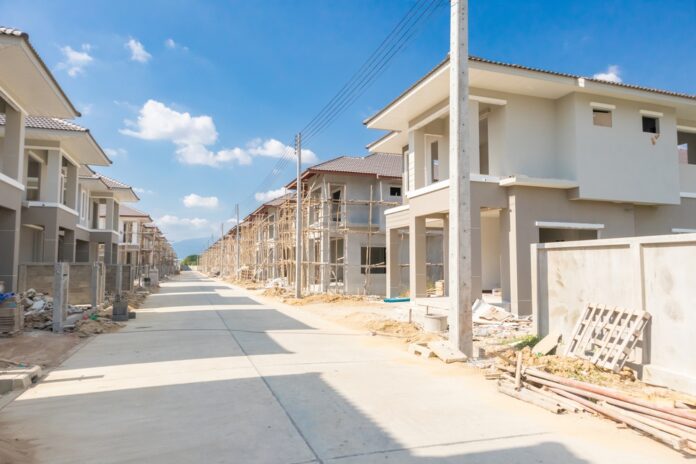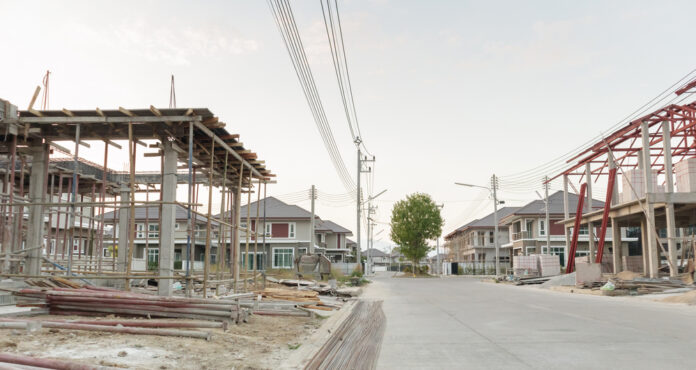


Something is different on Fairbanks streets this spring. “For Sale” signs that would have disappeared overnight a year ago are staying up for weeks. Sellers who once expected bidding wars are now offering to cover closing costs. Buyers are touring multiple homes, taking their time, and pushing back on repairs without fear of losing the deal.
After years of a market that heavily favored sellers, the dynamics in Fairbanks are shifting — though not uniformly. The change is most visible in the middle of the market, where the typical family home has long been the most contested terrain. These are the three-bedroom, two-bathroom houses with a two-car garage that form the backbone of most neighborhoods, the kind of home that military families relocating to the area have historically snapped up within days of listing. Today, even that segment is taking longer to move, and sellers are having to work harder to close a deal. Below and above that range, the slowdown is even more pronounced, with properties sitting on the market and requiring deeper negotiation.
It is a meaningful turning point for a city that has faced a persistent housing shortage for years, and where inventory rarely gave buyers much room to breathe.
Slower Sales, More Concessions
The pace of the market has slowed significantly, and sellers are feeling the pressure. Where buyers once rushed to make offers on the first home they saw, they are now touring multiple properties, weighing options, and negotiating more aggressively. The urgency that defined the market in recent years has faded — and sellers have had to adjust their expectations accordingly.
That adjustment is showing up in concrete ways. Repair credits of around $5,000 are becoming common, and sellers are dropping asking prices when a home sits for two weeks without an offer. Nic Williams, founder of The Real Estate Collective in Fairbanks, puts it plainly: “Houses in the entry-level range move fast, but anything under $200,000 or over $500,000 is selling at a normal pace — not like wildfire.”
The numbers back that up. The average home now spends about 28 days on the market, nearly twice as long as last spring. Showings per property have decreased, and buyers are pushing harder for concessions during inspection. Sellers who anticipated bidding wars are facing a fundamentally different market — one where competing for buyer attention is the new normal.
Why the Market Changed
Fairbanks enters this shift from a position of persistent housing scarcity. Builders are constructing fewer than 10 new homes per year, while the local population is projected to grow by 10 percent in 2026. With only 100 to 150 homes for sale at any given time, the market has never had much room to breathe, which makes the current changes all the more significant.
Against that backdrop, three factors have converged to alter the local housing landscape. The first is a modest rise in inventory. More homeowners are facing life changes — job relocations, downsizing, household transitions — and are choosing to list, giving buyers additional choices and reducing the urgency that defined recent years. The second is financing pressure: mortgage rates have climbed back toward 7.5 percent after a brief dip, shrinking the pool of buyers who qualify in higher price brackets. The third is timing. The military relocation season, which typically begins on April 1, started early this year, concentrating a surge of demand specifically in the middle market, where incoming military families are most active.
The result is a market that is tight in some places and cooling in others. The entry-level segment remains highly competitive, while other categories are softening. Williams notes that sellers who once expected multiple offers are now offering closing cost credits just to secure a deal.
Longer Timelines and More Negotiation
The sales process now takes longer at every stage, and in Fairbanks, that slowdown carries some locally specific weight. Previously, showings often led to offers within 48 hours. Today, buyers may take a week or more to make a decision. Closings that once took 30 days are now stretching to 45 days, as lenders require more documentation and elevated interest rates complicate financing.
That extra time matters in a market where inspections are rarely straightforward. Fairbanks homes built on permafrost require pile foundations with an air gap between the structure and the frozen ground, and older homes or those with improperly designed foundations can develop serious structural problems. In a slower market, buyers have the breathing room to scrutinize these issues rather than waive inspections under competitive pressure. Buyers are now more frequently hiring structural engineers to assess foundations before committing — a step that typically costs between $800 and $1,800 but can head off far costlier problems down the line.
Adding another layer of complexity, new air quality regulations in the Fairbanks North Star Borough now require sellers to register wood-fired heating devices before closing, with real estate agents held responsible for informing buyers and sellers of these obligations. For sellers, this means more paperwork and potential compliance costs before a deal can move forward — and more opportunities for negotiations to stall.
For sellers overall, this slower timeline means more days on market and more leverage for buyers during inspection. Appraisals and loan approvals are delayed, and deals are falling apart more often when disputes over repairs arise.
The Road Ahead
The Fairbanks housing market has entered a period of adjustment, and where a buyer or seller stands within it depends heavily on which segment of the market they are in.
For those shopping in the middle range, competition remains real. These homes still attract multiple offers and move quickly, so hesitation can be costly. Outside that range, the pace has slowed enough that buyers have room to tour multiple properties, weigh options, and push back during negotiations — on price, on repairs, and on closing costs. With interest rates still elevated, it may also be worth asking sellers about rate buydown credits, as they are more open to accommodating these requests than in previous years.
Sellers need to price realistically from the start. Overpricing tends to backfire — homes that sit on the market often end up selling for less than they would have with a competitive initial price, with Williams citing an average equity loss of around $21,000. Presentation matters too: professional staging and photography, and removing personal items, can make a meaningful difference in how quickly a property moves.
For investors, short-term rental demand remains tied to Fairbanks’ tourism economy, while long-term rental demand tends to be most stable at the entry-level segment, where tenant demand is highest.
Looking ahead, both buyers and sellers will need to stay flexible. The early military relocation season and a modest rise in inventory have shifted some negotiating power toward buyers — but the city’s persistent housing shortage means the market is unlikely to soften dramatically. Pricing strategy, local knowledge, and a clear understanding of where demand is strongest will continue to matter. As Williams puts it: “Understanding your specific situation and the market you’re in is what makes the difference.”
About the Expert: Nic Williams is the founder and realtor at The Real Estate Collective in Fairbanks, Alaska. A former U.S. Army officer, Williams specializes in helping military buyers and sellers navigate Alaska’s unique housing market. Since 2020, he has been the top-selling individual agent in Fairbanks without a team.
This article is intended for informational purposes only and does not constitute legal, financial, or investment advice. The views and opinions expressed herein reflect those of the individuals quoted and do not represent an endorsement of any company, product, or service mentioned. Readers should conduct their own due diligence and consult qualified professionals before making any investment decisions.