


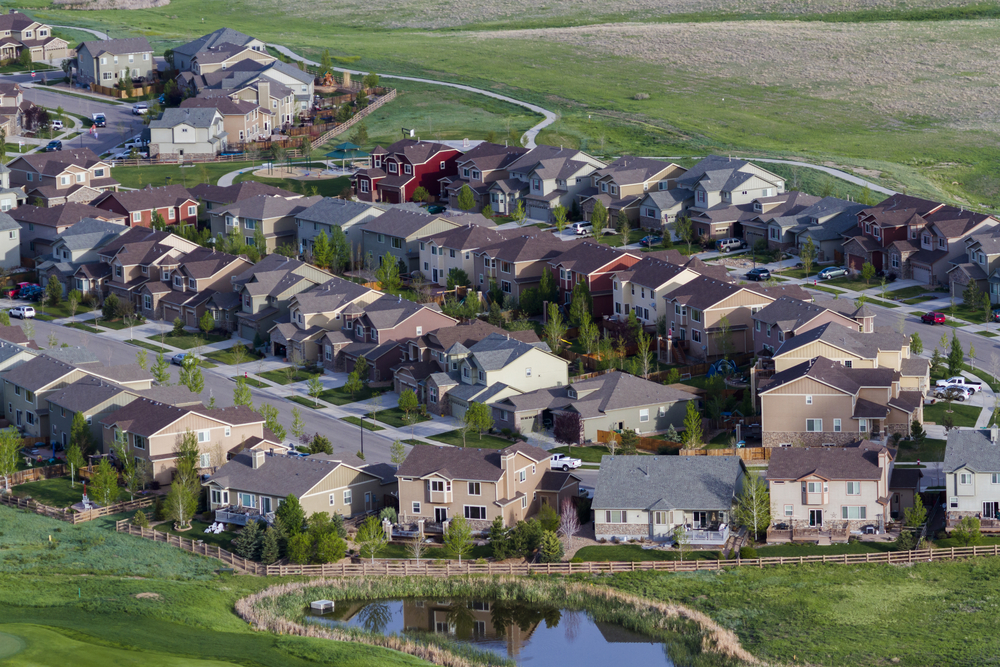
Rising inventory in Charlotte, NC is creating a misleading impression of improved housing options. A wave of new townhome construction has increased listings without meeting the preferences of buyers seeking single-family homes in moderate price ranges.
Liz Khodak, a licensed realtor with Helen Adams Realty who specializes in South Charlotte residential real estate, emphasizes that the type of inventory available matters more than the total number of listings. While the overall number of homes for sale has grown in some segments, most of that growth is in townhomes, not the single-family homes priced between $300,000 and $400,000 that many buyers want.
“In Charlotte specifically, we saw a big rise in the development of townhomes. Now there’s a lot of inventory of townhomes, but that doesn’t match the needs of the buyers looking in that price range,” Khodak explains. Many buyers prefer a single-family home, but those are rarely available at $300,000 to $400,000 near the city or in the condition buyers could expect five or six years ago.
This imbalance between available home types and buyer demand has created a persistent shortage of entry-level single-family homes, even as headline inventory numbers rise. The impact is most pronounced for first-time buyers and families looking to move up from apartments or smaller condos.
Townhomes Outnumber Desired Listings
Developers in Charlotte have focused on townhome projects in response to high land prices and zoning rules that make single-family construction more difficult near desirable areas. Townhomes allow for higher density, letting builders keep projects financially viable even as land costs climb.
The resulting supply of townhomes does not match demand from buyers in the $300,000 to $400,000 range. Most of these buyers want the privacy, yard space, and independence of a detached home. Even when townhomes are larger or feature more modern finishes at similar prices, many buyers remain hesitant. Concerns about shared walls, homeowner association rules, and limited outdoor space often outweigh the benefits.
Khodak notes that this disconnect keeps the single-family segment tight despite the apparent increase in total listings. Buyers searching for detached homes in moderate price ranges face limited choices and often compete for a small number of suitable properties.
“It feels tight in specific price ranges,” Khodak says. Inventory may be improving for higher-priced homes, but the $300,000 to $400,000 range still sees a lack of options, especially for first-time buyers and families with moderate budgets.
As a result, prices for single-family homes in this segment have climbed. Homes that might have sold for $350,000 five years ago are now listed for $425,000 or more, pushing some buyers out of the market as incomes fail to keep pace.
Location, Condition Narrow Options
The shortage of single-family homes is most pronounced near Charlotte’s urban core, where high land costs make building new detached homes financially unworkable. Buyers who want to live closer to jobs and amenities find few affordable single-family options nearby.
Khodak explains that these buyers often must choose between a townhome in a desirable area or a detached home farther from the city, where infrastructure and services may be less developed. Neither option fully meets the preferences of buyers seeking both location and single-family features.
Condition is another obstacle. Many single-family homes available in the $300,000 to $400,000 range near the city are older and in need of updates. Buyers are increasingly unwilling to take on significant renovations, further narrowing the pool of acceptable homes.
“That’s just not available in a $300,000 to $400,000 price point close to the city, or in the condition buyers would expect even five or six years ago,” Khodak says.
Despite what inventory numbers suggest, buyers in moderate price ranges still experience the market as tight, with few realistic options that meet their needs.
Longer Listings Distort Inventory Data
The current market dynamic has produced a situation where agents carry more listings, but buyers still struggle to find suitable homes. Khodak attributes this to longer marketing times rather than a true increase in available choices.
“Things are sitting a little bit longer. Before, you’d have a seller under contract within a week. Now agents have more listings, but it’s because they’re taking a little bit longer to move through the transaction,” Khodak says.
Homes that once sold within days now remain on the market for weeks, which inflates inventory statistics. This shift mainly reflects buyers’ preference for move-in-ready homes and their reluctance to compromise on property type or location, rather than any real easing of the single-family shortage.
For investors and developers, this imbalance presents both warnings and opportunities. The oversupply of townhomes signals caution for new attached housing projects, while ongoing demand for single-family homes in moderate price ranges points to unmet need. The same land costs and zoning barriers that created the current situation make it difficult to build more of the homes buyers want at attainable prices.
As Charlotte, NC continues to attract new residents and businesses, the gap between available inventory and buyer preferences is likely to persist. Rising listing counts driven by townhome construction do not translate into real relief for buyers seeking single-family homes in the $300,000 to $400,000 range. For first-time buyers and moderate-budget families, the market remains defined by limited options, rising prices, and difficult trade-offs between location, home type, and condition. Until land costs ease or zoning barriers shift to allow more single-family construction near the city, headline inventory numbers will continue to tell a different story than the one buyers experience on the ground.