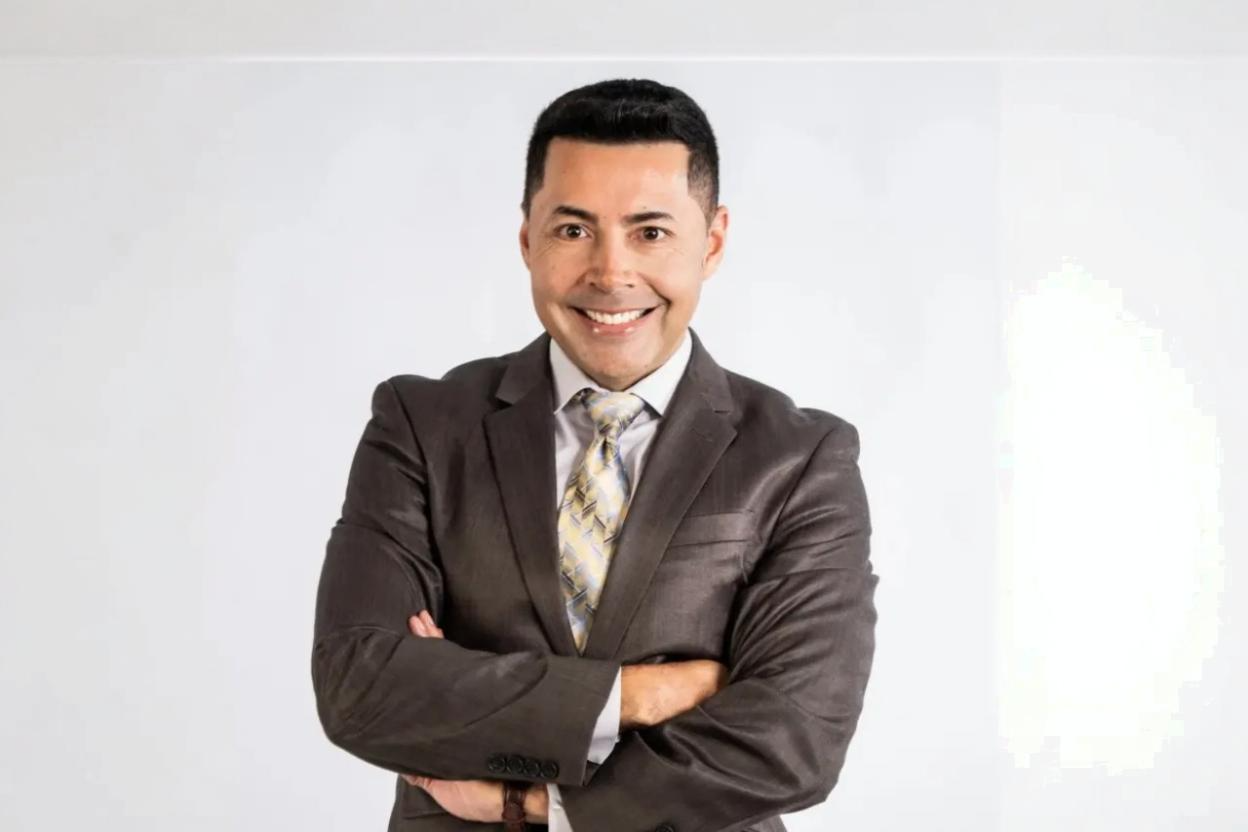


“Mortgage brokers work directly with the people they serve and can address homeownership challenges more effectively,” says Rachel Clark, Executive Director of the Broker Action Coalition (BAC).
In an era where mortgage giants increasingly rely on automation, independent mortgage brokers provide a crucial human touch that helps Americans navigate the complex path to homeownership. The Broker Action Coalition, under Clark’s leadership, is fighting to ensure these community-based professionals have a voice in shaping housing policy.
From Appraiser to Advocate
Clark’s journey to becoming a mortgage broker advocate began 15 years ago as an appraiser trainee. After managing a real estate office, she transitioned to the mortgage side in 2017.
“I started running both the real estate and the mortgage side of the business, and then we ended up opening our own brokerage in 2018,” Clark explains. That brokerage, Firehouse Mortgage, was named after her husband’s profession as a full-time firefighter and initially focused on serving first responders.
Clark’s advocacy work began through the Association of Independent Mortgage Experts (AIME). “When they rolled out their State Captain program, that’s where I decided this is what I want to do,” she says. “Being from Texas, I’ve lived in Texas my whole life. Very proud Texan, I decided that’s what I should do, is represent my state and really fight for Texans and home ownership.”
After serving as a State Captain and taking on a part-time role handling “the fun stuff”(which she describes as “numbers and budgets”), Clark stepped into the Executive Director position at the Broker Action Coalition in January 2025.
Why Mortgage Brokers Need Advocacy
The 2008 financial crisis devastated the mortgage broker industry, with many professionals leaving the business and new regulations reshaping the landscape. The lack of organized advocacy during that period highlighted the need for a unified voice.
“In 2008 there wasn’t any [advocacy], and that’s why a lot of things fell off from the mortgage broker world,”Clark explains. “But also, I feel like it’s important to represent this specific group in the mortgage space, because really, as a broker, you’re the one that’s in the community, and you know what people are dealing with on a day-to-day basis.”
This community connection gives mortgage brokers unique insights that larger institutions often miss. “When you’re living in these communities, you’re facing these challenges on a daily basis, you’re able to speak to that a little better than somebody who’s maybe not living in an area like this, or not in the trenches,” Clark says.
The Human Touch in an AI World
As technology increasingly automates the mortgage process, Clark sees brokers becoming even more essential as interpreters and guides rather than being replaced.
“I think the role is still going to be that people-first touch,” she explains. “There’s going to be people who don’t trust computers, young and old, and there’s going to be people that are going to want to talk to a live person to say, ‘Hey, I was denied for a mortgage. Why? What do I need to do?’”
Clark illustrates this with a common scenario: “It could be as simple as they put their income in wrong because they don’t understand the difference between gross and net income. We run into that a lot, where people put something in and we’re like, ‘Well, gross income is quite a bit more.’ And they’re like, ‘Oh, well, that’s what gets in my checking account. So to me, that’s my income.’”
These misunderstandings can lead to unnecessary denials when applicants use fully automated systems. “With AI, it’s great to streamline some part of the process, but with a mortgage broker, I think that’s going to be ever more important for them to focus on the people aspect of connecting with people, because you’re going to have more and more people confused by AI when it tells them no.”
Serving Underserved Communities
The BAC has established three specialized councils to address unique challenges faced by different communities:
1. Hispanic Homeownership Council: Focuses on issues specific to Hispanic homebuyers, including options for those with ITIN numbers, self-employment income, or non-traditional banking practices.
2. Black Homeownership Council: Works to break the cycle of generational wealth disparities by increasing Black homeownership rates and building trust between communities and mortgage professionals.
3. Veteran Homeownership Council: Educates veterans about their mortgage options and addresses challenges like qualifying with disability income.
“For mortgage brokers, we have a wide variety of lenders we work with,”Clark explains. “Just because lender A doesn’t have a program to fit doesn’t mean lender B, C, or D doesn’t. So we have that ability to navigate these challenges that people face, whether it be self-employment, whether they need a bank statement loan because their taxes are not filed, or just understanding maybe challenges they faced with credit.”
Addressing Housing Affordability
With housing affordability reaching crisis levels nationwide, the BAC is focusing on practical ways to reduce mortgage-related costs.
“As a mortgage broker, obviously, I can’t go build more houses. Builders have to do that,”Clark acknowledges. “But what some of the things we’re focusing on to try to chip away at the problem are credit report costs.”
For low and middle-income borrowers, multiple credit pulls during mortgage shopping can become prohibitively expensive. “If they charge upfront, say, $100 a credit pull, then they get denied. Well, now they have to go somewhere else, and it’s another $100. For someone in a middle to lower income situation, they might not be able to afford one credit pull, much less four or five to find somebody who can qualify them.”
The coalition is also examining title insurance costs and exploring alternatives that could make homebuying more affordable without disrupting the entire system.
Legislative Victories
The BAC has recently made significant progress on two key pieces of legislation:
The VALID Act: This newly introduced legislation would require mortgage disclosures for veterans to include comparisons between conventional, FHA, and VA loans. “It’s just basically a way to inform veterans of what their options are,”Clark explains. “It’s not saying you have to do this many VA loans. It’s just saying, give them their options and let that veteran review and choose their option.”
Trigger Lead Legislation: This consumer privacy protection bill has already passed the Senate with unanimous consent and cleared the House Financial Services Committee with a 46-0 vote.
“We’re excited because it was introduced in April. We’re only in June, not even halfway through this legislative session, and it’s already passed the Senate,”Clark says. “We’re making progress, and we can’t wait to see what happens the rest of the year.”
Looking Ahead
As the BAC continues to push for the passage of the trigger lead legislation, they’re also monitoring developments at the Consumer Financial Protection Bureau (CFPB) and watching for housing affordability initiatives from Congress.
“That’s the biggest thing about the BAC and what we’re doing and what we’re fighting for, is that we have a seat at the table, and we are part of those conversations,” Clark emphasizes. “When laws and legislation are being passed, mortgage brokers are being considered, and simple changes in wording can negatively affect us or positively affect us.”
By ensuring that independent mortgage brokers have a voice in policy discussions, the Broker Action Coalition is working to protect not just the industry, but also the millions of Americans who rely on these professionals to guide them through one of life’s most significant financial decisions.
“As long as we’re there and fighting and making our voice heard, it’s going to make things better,” Clark concludes.