
For many buyers, the math on urban homeownership stopped working years ago. Prices climbed, inventory stayed tight, and the new construction that did appear skewed toward luxury — leaving anyone without a high income to choose between aging housing stock, long commutes, or renting indefinitely. The assumption that followed was reasonable: if you want to buy something affordable, you’re probably heading to the suburbs — or beyond.
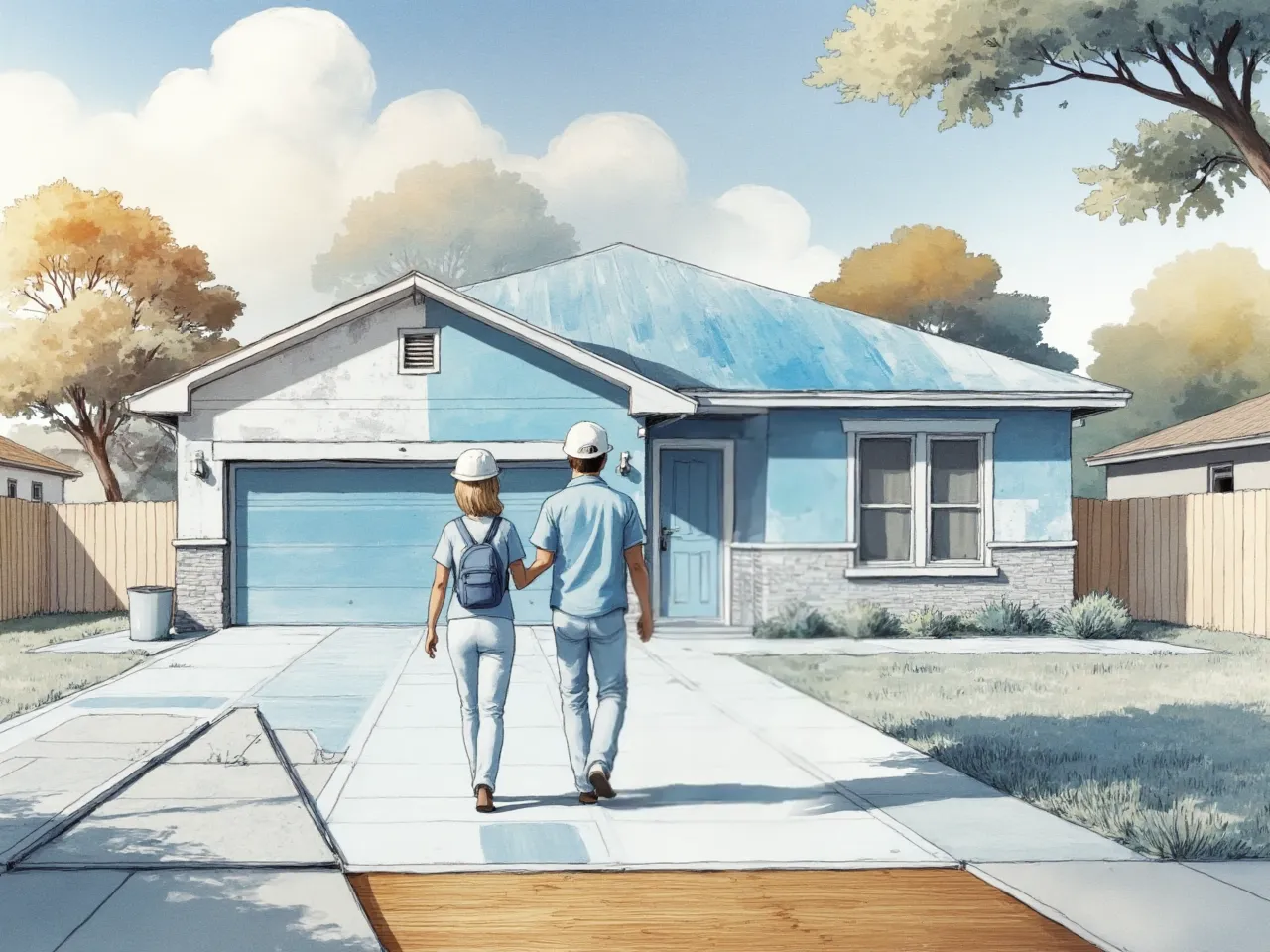
But that assumption is increasingly being tested. In some cities, a combination of city assistance programs, lender credits, and builder incentives is making it possible for first-time buyers to purchase newly built homes in established urban neighborhoods — in some cases with monthly payments under $1,000. The catch is that these opportunities are narrow, tied to specific neighborhoods and programs, and easy to miss if you don’t know they exist.
The Construction Vacuum
In many American cities, the neighborhoods that need new housing the most are getting the least of it. Legacy urban neighborhoods — established communities that predate suburban sprawl — have seen construction stall for years, sometimes decades. The result is a housing stock that ages without replenishment: older homes that need work, few move-in-ready options, and almost no new builds priced for working families.
The reasons are familiar to anyone in development. Building on an existing city lot is more complicated than breaking ground on open land at the edge of town. Permitting is more complex. Profit margins on affordable homes are thin. So builders go where the math is easier, and legacy neighborhoods get left behind.
That’s the gap Kevan Shelton set out to close when he founded Park Street Homes in Houston. Shelton grew up in one of those neighborhoods and watched a five-year stretch pass without a single new home going up — a drought that eventually pushed his own family further out. Park Street’s model targets exactly this kind of neighborhood: vacant lots, blighted properties, urban cores where demand exists but supply hasn’t followed.
The company currently builds in Houston and Birmingham, with new projects expected in both cities in 2026. But the model is proof that the gap can be closed — that building affordable, design-focused homes in legacy urban neighborhoods is possible when someone is willing to do the harder work of making it pencil out.
How the Math Actually Works
The sticker price on a Park Street home is typically in the low-to-mid $200,000, which is already well below the national average. But the monthly payment a buyer actually ends up with can be significantly lower than that price suggests, because of how multiple assistance programs can be layered together.
A typical scenario might look like this: a $225,000 home, combined with $30,000 in city down payment assistance, $10,000 in lender credits, and $5,000 in builder incentives. In some cases in Houston, buyers have accessed up to $120,000 in combined assistance — bringing monthly mortgage payments to around $900.
That number is worth pausing over. It’s not the result of a special deal or an unusual financial profile — it’s the result of knowing which programs exist, working with lenders who specialize in combining them, and buying in a market where a builder has already done the work of making the pieces fit together. The programs themselves — city funds, lender credits, builder incentives — aren’t new. What’s less common is a builder who structures projects specifically around them, and who partners with lenders and nonprofits to make sure buyers can actually access what’s available.
Where This Is Happening Now
In Houston, new projects include continued development in Acres Homes — a legacy neighborhood on the city’s northwest side — in partnership with the Houston Area Urban League, with homes becoming available throughout 2026. Birmingham buyers can expect a similar timeline. Park Street plans to announce additional cities later this year.
For buyers outside those markets, the underlying model doesn’t require Park Street specifically. City down payment assistance programs, lender credits, and builder incentives exist in many metros. The question is whether a builder in your market is structuring projects to take advantage of them.
What to Do If You’re a Buyer
The first step is finding out whether programs like these exist in your market. And that means talking to lenders who specialize in combining assistance programs, not just a general mortgage broker. Many buyers don’t realize what’s available because the people they talk to first aren’t familiar with how these programs stack.
If you’re in Houston or Birmingham, Park Street’s team works directly with buyers to identify what assistance is available and structure financing accordingly. For buyers elsewhere, the starting point is your city or county housing authority, which will have information on any down payment assistance programs currently active in your area.
The broader point is that the affordability ceiling in urban neighborhoods is often lower than buyers assume — but accessing it requires more legwork than a standard home purchase. The programs exist. The homes, in some markets, are being built. The gap is usually information.
About the Expert: Kevan Shelton is co-founder and CEO of Park Street Homes, a homebuilder focused on affordable infill development in legacy urban neighborhoods. The company currently operates in Houston and Birmingham.
This article is based on information provided by the expert source cited above. It is intended for general informational purposes only and does not constitute legal, financial, or real estate advice. Readers should conduct their own research and consult qualified professionals before making any real estate or financial decisions.