
Every year, more Americans trade city life for land, livestock, and a quieter kind of independence. The desire is genuine — but so are the consequences of getting it wrong. Buyers who don’t understand what rural self-sufficiency actually demands can find themselves overextended on a property they can’t maintain, in a location farther from services than they anticipated, facing construction timelines and financing conditions that bear no resemblance to urban real estate.
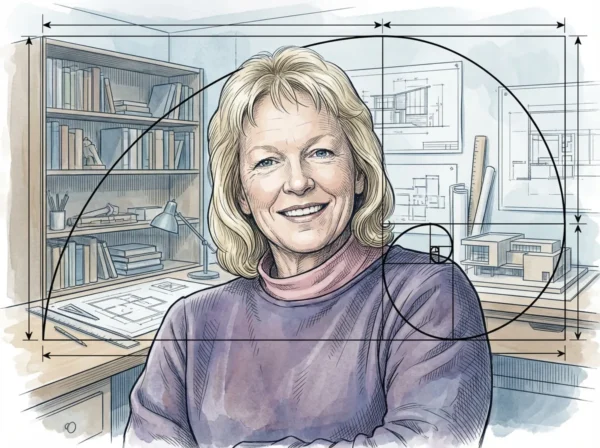
Theresa Lunn, owner and managing broker of United Country — Western Montana Group, has spent her career sitting across the table with people at exactly that crossroads. What she’s learned about the gap between the dream and the reality is something every serious buyer needs to hear before they start looking at listings.
Lunn knows rural property from the inside out — she was raised on a ranch, runs her own homestead, and grows her own food alongside the chickens, turkeys, hogs, and cattle she raises. She came to real estate after moving to Montana and finding that knowledgeable representation for rural properties simply didn’t exist — so she built a practice around filling that gap. That background is what makes her perspective on the rural self-sufficiency market worth paying attention to.
Rural Migration Is Accelerating
Montana has always represented something to people who have never been there — space, silence, and the sense that a more self-reliant life is possible. What’s changed is who is acting on that feeling. Over the past decade, the buyer profile has shifted. It’s no longer retirees or ranching families. It’s remote workers, young professionals, and urban families who have decided that connectivity and independence are no longer mutually exclusive.
Technology made that shift possible. The arrival of satellite internet — Starlink in particular — removed what was once a hard barrier to rural living. A buyer can now run a business from a property 30 miles outside of town without sacrificing the professional infrastructure their income depends on. That single change opened up a category of property, and a category of buyer, that simply didn’t exist a generation ago.
The motivations vary, but a common thread runs through them. Lunn describes a growing interest in resilience — in owning land and producing food not just as a lifestyle choice but as a form of security.
The Gap Is Costly
The most common mistake rural buyers make isn’t choosing the wrong property. It’s underestimating what the right one will actually require of them. Lunn is direct about this: many of her clients arrive with a clear vision of what they want to grow, raise, and build — and a much hazier picture of what that vision demands physically, financially, and logistically.
The financial picture alone has grown more complicated. Lending has tightened across the board, and rural properties carry additional layers of complexity that urban buyers aren’t prepared for. Even buyers who once would have paid cash are now navigating financing. Supply chains that were disrupted years ago still haven’t fully recovered — concrete, lumber, and roofing materials take longer to source, contractors are harder to find, and every phase of a build or renovation stretches further than projected. A buyer who purchases a property with plans to expand or customize it is making a second, largely hidden bet on timelines and costs they may not be able to control.
Then there is the physical reality of the land itself. Lunn works with a lot of people who spend their professional lives at a desk. The gap between imagining a working homestead and maintaining one is measured in early mornings, manual labor, and a learning curve that doesn’t flatten quickly. The buyers who struggle most aren’t the ones who lack resources — they’re the ones who didn’t ask the right questions before they signed.
The Devil’s in the Details
The questions most buyers focus on — acreage, price, proximity to a mountain range — are rarely the ones that determine whether rural life actually works for them. The details that derail dreams tend to be smaller, more practical, and almost invisible until they aren’t. Where do you buy feed in bulk? Who is the nearest large-animal veterinarian, and how far will they travel? What does winter access look like on that road? These are the questions that separate a property that supports the life a buyer wants from one that quietly works against it.
Lunn’s consulting often extends well beyond the transaction itself. A client from Austin who wanted total isolation, for example, reconsidered after understanding what total isolation in Montana actually meant in practice — not just the romance of it, but the distance from medical care, hardware stores, and the kind of infrastructure that urban professionals have never had to think about. They landed on a property that was still deeply private but within half an hour of town. That adjustment didn’t compromise their vision. It protected it.
Self-sufficiency also means something different to every buyer, and the details shift accordingly. For some, it’s a large garden and a chest freezer. For others, it’s acreage, livestock, water rights, and a root cellar. Getting the details right requires knowing which version of self-sufficiency a buyer is actually after — and then pressure-testing whether the property they want can deliver it. A buyer who hasn’t worked through those specifics before making an offer is, in most cases, buying a problem they haven’t named yet.
Knowledge Closes the Gap
The buyers who make rural self-sufficiency work aren’t necessarily the most experienced or the most resourceful. They’re the ones who understood what they were getting into before they committed — and who had the right guidance to get there. Lunn built her practice around exactly that need. Today, as International Director of Self-Sustaining Properties for United Country Real Estate, she fields inquiries from buyers across the U.S. and abroad whose common thread isn’t location or budget — it’s the need for someone who has actually lived the life they’re trying to build.
The fantasy of rural self-sufficiency hasn’t changed much — land, independence, a life built closer to the source of things. What’s changed is the sophistication required to turn that fantasy into something that actually works. The buyers who get it right aren’t the ones who wanted it most. They’re the ones who understood that the dream was worth doing carefully — and approached it that way from the start.
About the Expert: Theresa Lunn is the owner and managing broker of United Country — Western Montana Group and serves as International Director of Self-Sustaining Properties for United Country Real Estate. She specializes in guiding buyers through the transition to rural self-sufficient living, drawing on her own experience as a homesteader and lifelong connection to the land.
This article is based on information provided by the expert source cited above. It is intended for general informational purposes only and does not constitute legal, financial, or real estate advice. Readers should conduct their own research and consult qualified professionals before making any real estate or financial decisions.