

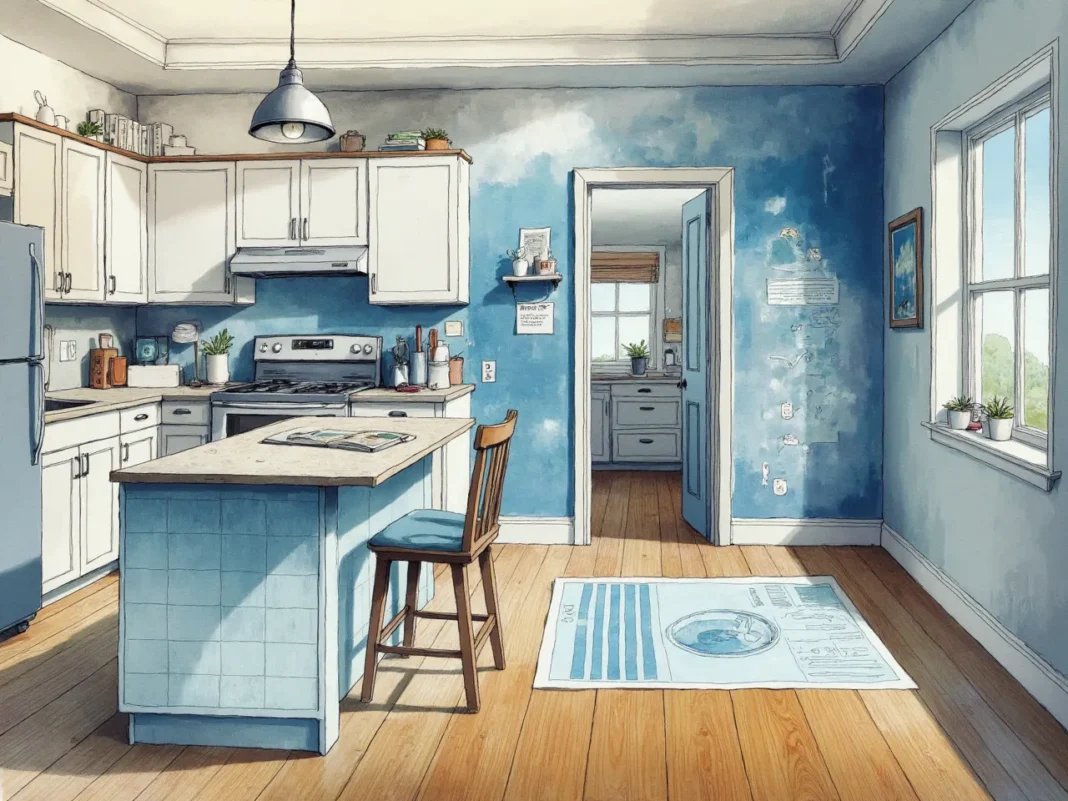
You walk into a house in Chester, and the kitchen looks perfect. The price is right, the neighborhood checks all your boxes – but something in the basement makes your stomach drop. Local experts say quick warning signs can save you from a five-figure mistake.
Lilly Shamam, a Realtor and appraiser with over 30 years of experience in Central New Jersey, has seen buyers fall for homes that hide expensive problems. “Most buyers don’t even notice them,” she says. Here are seven red flags to watch for before you make an offer.
Fresh Paint in Just One Room
Why it matters: Sellers often use fresh paint to cover ceiling stains or wall cracks – not just to redecorate. If you see one room with bright white walls while the rest of the house looks lived-in, ask why.
Fresh paint in a single room can signal a recent leak or quick patch job. Water damage, mold, or foundation cracks could be hidden beneath the surface. If the seller can’t provide documentation of repairs, prepare for a closer inspection.
What to do: Ask for the repair history on that room. Request a moisture check during your inspection, especially if the fresh paint is on a ceiling or near a bathroom.
Doors That Don’t Close Smoothly
Why it matters: Stuck doors are more than an annoyance – they can indicate foundation movement. When a house settles unevenly, door frames shift, and doors stop closing properly.
Foundation repairs can cost thousands of dollars, depending on the severity.
What to do: Test every door in the house, not just the front one. If more than one stick, flag it for your inspector or consider bringing in a structural engineer before you commit.
Mismatched Flooring in Adjacent Rooms
Why it matters: Quick flooring swaps can be a sign of past flood or fire damage. If you walk from hardwood in the living room to brand-new laminate in the dining room, ask why the seller didn’t finish the job.
Patchwork floors often mean something was covered up. Hidden water damage or replaced subfloors can add thousands to your renovation budget.
What to do: Ask when the floors were replaced and why. Look for signs of recent repairs near baseboards or under area rugs.
Strong Air Freshener or Candle Smell
Why it matters: Overpowering scents can mask pet odors, mildew, or smoke. If you walk in and immediately smell vanilla or lavender, open a few closets and check for musty odors underneath.
Sellers sometimes use strong scents to cover up problems buyers might object to. Removing embedded odors can cost hundreds or thousands of dollars, especially if the carpet or drywall needs replacing.
What to do: Open closets, cabinets, and the basement door to check for hidden smells. Ask if the home has been smoked in or had pets, and request documentation of any cleaning or remediation.
Basement or Crawl Space You Can’t Access
Why it matters: If the seller blocks off access to a crawl space or basement area, they could be hiding leaks, mold, or structural issues. Shamam recently had a buyer walk away from a deal after finding old mouse droppings in a crawl space – not because of the mice, but because the problem had not been disclosed.
If you can’t see every space, you don’t know what you’re buying. Repairs in hidden areas often run into the thousands.
What to do: Insist on seeing every accessible space before making an offer. Have your inspector check for moisture, pests, or structural damage in any areas the seller doesn’t want you to see.
Old Electrical Panel With Missing Labels
Why it matters: Outdated panels or missing circuit labels can indicate DIY wiring or overloaded circuits. Homes built in the 1950s and 1960s often have panels that don’t meet current codes, and upgrading them is expensive.
Old panels can be a fire hazard. Bringing electrical systems up to code can cost several thousand dollars, depending on the home’s size.
What to do: Take a photo of the electrical panel during your tour. Ask if the house has had electrical upgrades and when. Have your inspector check the panel and wiring for safety issues.
Windows Painted Shut
Why it matters: Windows that won’t open can mean frame rot, lead paint, or poor ventilation – sometimes all three. In older New Jersey homes, painted shut windows are common, but they’re also a warning sign of bigger issues.
Stuck windows can mean you’ll need full replacements. Repairs can range from a few hundred dollars per window to full replacements that cost thousands.
What to do: Test every window in the house. If several are stuck, factor replacement costs into your offer or ask the seller to fix them before closing.
When It’s Just Cosmetic
Not every flaw is a dealbreaker. Hairline cracks in old plaster are usually just settling, not a foundation problem. Stains near the dishwasher might be a spill, not a leak.
If your inspector says it’s minor, don’t overreact, but always ask. The key is knowing the difference between a cosmetic fix and a structural issue. A good inspector will help you figure out which is which.
The Bottom Line
You can spot many problems on your own, but a professional inspector will catch what you miss. Don’t let a pretty kitchen distract you from warning signs that could cost real money. Take your time, ask questions, and don’t skip the inspection – even in a competitive market. Doing so can help you avoid an expensive mistake.
This article is intended for informational purposes only and does not constitute legal, financial, or investment advice. The views and opinions expressed herein reflect those of the individuals quoted and do not represent an endorsement of any company, product, or service mentioned. Readers should conduct their own due diligence and consult qualified professionals before making any investment decisions.
About the Expert: Lilly Shamam is a Realtor with Keller Williams Realty East Monmouth, specializing in investment properties and multi-family homes across Central New Jersey. With over 30 years of experience as both an appraiser and agent, she helps buyers and investors identify potential problems before they become costly mistakes.