

You’ve just closed on your first house. You have the keys, the mortgage, and a list of projects to tackle. But most new homeowners overlook one critical step: planning for when something breaks.
While it’s easy to focus on choosing furniture, picking paint colors, and improving curb appeal, few new owners prioritize organizing documents, scheduling maintenance, or preparing for emergencies. These unglamorous tasks often get postponed until a problem arises – and by then, the delay can be costly.
Clem McDavid, founder of HomeMinder, has seen firsthand how a lack of organization leads to unnecessary expenses. “People don’t see the need for it until something happens,” he says. “But it inevitably happens to everybody at some point.”
The smartest move for new homeowners is to organize all essential information and contacts within the first 30 days – before something goes wrong.
What “Getting Organized” Really Means
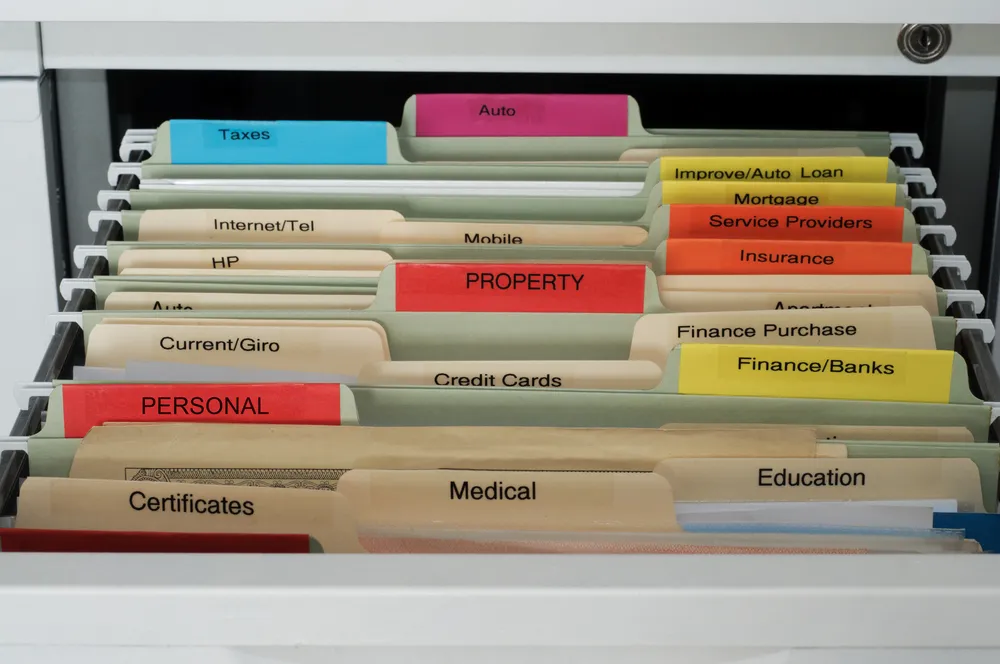
McDavid isn’t just talking about tossing papers in a drawer or saving files to your desktop. He recommends building a single, easily accessible system with every document, contact, and relevant detail about your home. This ensures you can quickly find what you need, whether you’re at the hardware store or dealing with an insurance claim.
This system should include: closing documents, inspection reports, appliance warranties, HVAC and system manuals, paint color details, the name of the company that installed your roof, and contact information for all service providers you might need.
“Most homeowners have all this in some form,” McDavid says, “but it’s scattered – in drawers, on phones, in different email accounts.”
When something breaks, that scattered information can turn a minor issue into a major headache.
Why Early Organization Pays Off
Getting organized right away offers three major benefits that only become clear when you face a home emergency.
You avoid last-minute chaos
Home systems tend to fail at inconvenient times – furnaces break on weekends, pipes burst at night. In a crisis, you don’t want to search for warranty papers or track down a plumber’s number. If everything is in one place, you can act immediately and prevent further damage.
You save money by staying ahead on maintenance
Routine tasks like cleaning gutters or changing air filters are often forgotten, leading to expensive repairs. Platforms like HomeMinder send seasonal reminders tailored to your home’s systems. McDavid emphasizes that “taking 30 minutes to do something that costs 50 dollars is worth it, because you’re avoiding the five-thousand or ten-thousand-dollar problem down the road.”
You protect your home’s value when selling
Buyers want proof of regular maintenance and recent upgrades. If you can show organized records, your home may sell faster and at a higher price. Disorganized paperwork can cost you leverage in negotiations.
A Real-World Example
One Charlotte homeowner uploaded all closing documents, appliance manuals, and service contacts into HomeMinder right after buying their house. Six months later, their air conditioner failed during a heat wave. Instead of scrambling, they opened the app, confirmed the HVAC unit was still under warranty, and scheduled a repair within an hour – at no cost.
A neighbor in a similar situation spent two days searching for paperwork, missed the warranty deadline by three weeks, and paid $1,200 for repairs.
How to Get Organized
If you’ve just bought a home – or have been putting this off for years – you can set up a system in less than an hour.
Start with the basics
Gather your closing documents, inspection report, and any warranties or manuals. Upload them to a digital platform or organize them in a clearly labeled folder. Note your address, when the house was built, and details about major systems, such as the HVAC and water heater.
Add key contacts
List essential people: your realtor, insurance agent, mortgage lender, and any service providers you’ve used or plan to use. Include phone numbers and emails. If you don’t have a plumber or electrician, research a few options now instead of waiting for an emergency.
Track major systems and appliances
Make a list of the furnace, air conditioner, water heater, roof, gutters, and major appliances. Record installation or last service dates, and add manuals or model numbers if available. This small step can save hours when something breaks.
Set maintenance reminders
Use a calendar, app, or even sticky notes to remind yourself of seasonal tasks – changing air filters every three months, cleaning gutters in the fall, checking smoke detectors twice a year. If you’re unsure what maintenance is needed, ask your home inspector or look up a checklist for your region.
When This Isn’t Necessary
You can skip this step if you’re flipping a house and won’t live there, or if a property manager handles everything for your rental. If you’re in a brand-new home under a full builder warranty, you may not need to track details right away, but setting up a system early builds good habits for later.
“If you can’t do these things yourself, let us find the right person who can,” McDavid says. He notes that HomeMinder connects homeowners with vetted service providers and gives advice specific to their property, rather than relying on generic ratings or unverified companies.
The Takeaway
In the rush to move in, organizing documents and contacts rarely feels urgent. But spending 30 minutes now can prevent thousands of dollars in repairs and hours of stress when an inevitable issue arises. “Your house is your largest investment,” McDavid says. “Why wouldn’t you spend a few dollars to protect that asset?”
About the Expert: Clem McDavid is the Founder and CEO of HomeMinder, Inc., a platform that helps homeowners organize and maintain their properties. Based in the Southeast, McDavid launched the company in 2024 after seeing how disorganization led to costly mistakes for homeowners.
This article is based on information provided by the expert source cited above. It is intended for general informational purposes only and does not constitute legal, financial, or real estate advice. Readers should conduct their own research and consult qualified professionals before making any real estate or financial decisions.