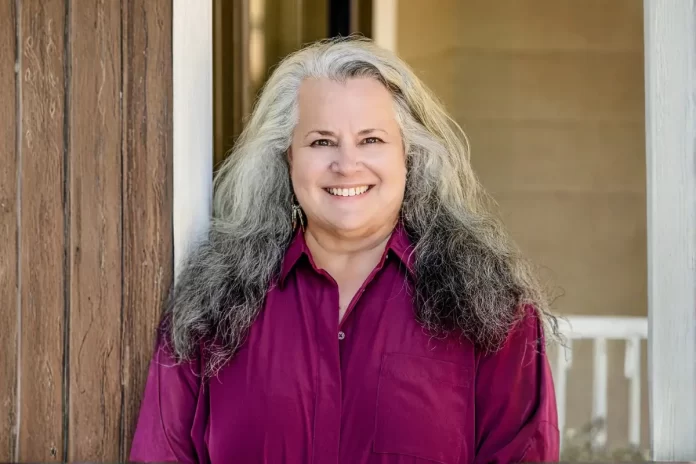

Houston’s residential market is undergoing a reset well beyond the usual headlines about higher interest rates and insurance costs. After nearly two decades in real estate, Anja Drewes Neidhardt of Anja Drewes Properties has seen multiple market cycles. Still, she describes the current period as a sharp departure from the rapid-fire pace and sky-high expectations of the pandemic boom. This shift is forcing both buyers and sellers to rethink what’s possible and how long it may take to close a deal.
From Crisis to Opportunity
Drewes began her real estate career in 2008, entering the industry during the financial crisis. Recently divorced and raising two children, she looked for stability and a new career path. “I was just divorced, had two kids at home, and always liked real estate. So that’s when I got my license, and 2008 was when the financing went down the drain,” she recalls. To make ends meet in a difficult market, she launched a cleaning business focused on new construction, which helped her build relationships with local builders and agents.
This hands-on approach paid off years later. “Seven or eight years later, when I was full business, one of the homes I cleaned, I actually sold to a client,” Drewes says. “I didn’t tell them I cleaned it years ago, but that was a really good feeling.”
After gaining experience at boutique firms and RE/MAX, Drewes opened her own brokerage, Anja Drewes Properties, in 2013. She focuses on Sugar Land, Richmond, and inner Houston, markets that attract a diverse and international clientele.
A New Reality for Buyers and Sellers
The biggest challenge in today’s market is adjusting expectations. During the pandemic, homes routinely sold in days, often above the listing price with multiple offers. That era is over. “The house that listed for $500,000 and went in two days for $550,000 or $560,000 with multiple offers, now we’re looking at 55 to 60 days on the market,” Drewes explains. Sellers are struggling with the slower pace, while buyers misread longer market times as a sign that something is wrong with a property.
“Buyers see a house that’s been on the market for 83 days and ask, ‘What’s wrong with it?’ I have to explain that it’s just the market,” she says. This misunderstanding leads to longer decision cycles as buyers watch listings for weeks before making a move. “If I have an open house and the house is five or six weeks on the market, buyers say, ‘We’ve been watching this house for six weeks.’ I ask, ‘Why didn’t you come earlier?’ They’re more cautious, watching homes online and seeing what happens before they act.”
This caution is a marked change from the rush-to-offer mentality of just a few years ago. Buyers are now taking their time, weighing options, and negotiating more aggressively, knowing they have greater leverage.
Distinct Market Segments
Houston’s market is fragmented by geography and price. Suburban areas such as Sugar Land and Richmond have median prices around $450,000, with master-planned communities and homeowners’ associations. Within the Houston loop, buyers pay a premium — $600,000 to $1 million or more — for smaller lots, with greater walkability and urban amenities.
“In the suburbs, you’re driving everywhere. In Houston, you can walk to the coffee shop,” Drewes notes. But for those living in the suburbs and working downtown, the commute can take 40 to 45 minutes during rush hour.
Performance also varies sharply by price segment. “Normally, homes in the $350,000 to $500,000 range moved really well. Since August last year, everything stopped and takes longer. But homes over $1 million go fast—the luxury market is performing well.” Drewes attributes this to cash buyers and higher-net-worth individuals who are less affected by interest rates.
Financing and Deal Execution
Much of the national conversation focuses on affordability and rising costs, but Drewes sees most deals fall apart due to poor preparation, especially in financing. “Most of the time when deals fall apart, it’s financing; they didn’t get approved at the end,” she says.
Problems often begin when buyers choose online lenders that advertise low rates but deliver inconsistent service. “They go with internet lenders who promise great rates but provide horrible service. Issues come up two or three days before closing that should have been addressed during pre-approval,” Drewes explains. She advises buyers to work with local lenders who can provide direct support and anticipate issues before they threaten a deal.
Insurance is another major hurdle in Houston, especially in flood-prone areas. “Depending on who you ask, insurance could be between $2,000 and $5,000 a year for the same house. You have to get all the numbers upfront—tax rates, municipal taxes, insurance costs, mortgage, and if you’re in a flood zone, flood insurance.” This unpredictability can derail a deal if buyers aren’t prepared for the full carrying costs.
International Clients and Local Misconceptions
Drewes’ background provides her with insight into both the local and international aspects of Houston’s market. About 20–30% of her clients are from Germany or other European countries and often require full-service relocation support.
“The most common misconception about Houston is that every home floods,” she says. “We do have hurricanes every 10 to 15 years, but it’s not that every home floods. We have different flood zones, 100-year flood, 500-year flood, and many areas are protected by levees.”
For investors, Drewes recommends targeting homes in strong school districts in the suburbs. “You have more long-term renters because we have fantastic public schools. They rent here to be in specific school zones, so those homes tend to rent really well.”
The short-term rental market, however, has cooled. “We had many who bought Airbnbs a couple of years ago, but that’s getting more difficult now because of ordinances against Airbnbs in communities. The Airbnb boom here is pretty much done; it’s more long-term rentals now.”
What’s Next
Houston’s real estate market is no longer defined by frenzied bidding wars or overnight sales. After a difficult year marked by adjustment to higher mortgage rates, both buyers and sellers are recalibrating their expectations. The ultra-low 2–3% mortgage era is widely understood to be over, and the market is settling into a more sustainable rhythm. What once felt like a shock now resembles a reset—one that requires patience, preparation, and a clearer understanding of costs and timelines.
In this environment, success depends less on speed and more on strategy. Buyers must secure solid financing and be realistic about what their budget can command, while sellers need to price homes in line with actual demand and accept that transactions may take longer to close. Negotiation has returned as a central feature of deals, replacing the automatic escalation clauses and bidding wars of previous years.
For experienced agents like Drewes, longevity comes from steady guidance through these shifts. Her direct, no-fluff communication style—grounded in honesty about pros, cons, and long-term consequences—has built trust across generations of clients. Her approach reflects the broader lesson of today’s market: don’t rush, don’t overreact, and don’t chase unrealistic expectations. Houston’s fundamentals remain strong, supported by diverse neighborhoods, international investment, and consistent demand for quality schools. For buyers and sellers willing to adapt, opportunities still exist—but they unfold on a longer, more deliberate timeline.