
Secondary markets across the United States are navigating new realities in the wake of the pandemic, but few illustrate these complexities as clearly as Lancaster, Pennsylvania. While residential home prices have climbed 10.7% year-over-year to a median of $280,000, the city’s commercial sector is facing significant obstacles. This divergence highlights both the strengths and the persistent challenges facing mid-sized cities as they adapt to rapidly changing conditions.
A Historic Center Under Pressure
Lancaster’s historic downtown is central to both the city’s identity and its current struggles. The compact 12-block core anchors a metro area of nearly 600,000 residents, strategically located within three hours of New York City and two hours from Philadelphia, Baltimore, and Washington, D.C.
John Meeder, president of Meeder Development Corporation, has spent decades redeveloping Lancaster’s most challenging downtown buildings, using historic tax credits, new markets tax credits, and local incentives such as the City Revitalization and Improvement Zone (CRIZ) program. Meeder’s strategy has been to tackle the most difficult properties first, setting the tone for much of Lancaster’s recent downtown renewal.
“I was working in Lancaster before other people thought it was cool,” Meeder says. “I was attracted to the historic buildings and what could be done with them. There was a lot of beautiful historic architecture that was underutilized, and there were programs that could make redevelopment possible.”
The Financial Mechanics of Urban Redevelopment
Downtown redevelopment in secondary markets like Lancaster depends on complex financing structures. Meeder’s projects have typically combined state historic tax credits (previously 25%), federal historic tax credits (20%), and new markets tax credits (up to 39% over seven years) to make projects viable.
“If you can get creative with how you structure your deals and get the right partners, you can get something pretty significant done that wouldn’t normally cash flow,” Meeder says. These financing tools are necessary because downtown projects face higher costs and more regulatory hurdles than suburban developments.
“It’s not a level playing field between downtown and the big mall outside. They have all the parking they need and don’t have to pay for it. Here, you have stricter codes and have to build vertically, which means paying for elevators and stair towers.”
Residential Growth Outpaces Supply
Lancaster’s residential market demonstrates the intense demand seen in attractive secondary cities. The city’s historic charm, cultural amenities, and proximity to major East Coast metros have fueled a housing market where demand far exceeds supply.
“We haven’t had nearly enough residential product for a place this desirable to live,” Meeder says. “We kind of ran out of housing, and that’s driving up the values. It’s very difficult to buy a home right now in Lancaster—it takes several tries, and you need to have everything lined up.”
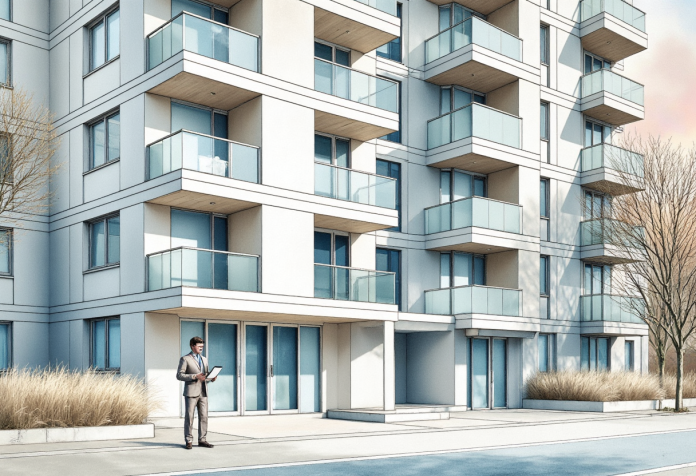
This demand has spurred new mid-rise and high-rise apartment construction downtown, with buildings of eight to fourteen stories being built and largely absorbed by the market. The question now is whether this pace of absorption can be maintained as more units come online.
Restaurant Scene Thrives Amid Tourism and Immigration
One area where Lancaster has seen notable commercial success is its restaurant sector. The downtown now features a diverse array of restaurants, spanning American classics to cuisines reflecting Lancaster’s large immigrant population.
“Our downtown is full of really first-rate restaurants and culturally driven restaurants,” Meeder says, pointing out the close proximity of Indian, Bhutanese, Himalayan, Vietnamese, and Puerto Rican establishments. Lancaster has become a leading destination for new immigrants on the East Coast, adding to the city’s culinary diversity.
This vibrant restaurant scene is supported by both the growing downtown population and a tourism industry that brings about 10 million visitors each year to see Amish country attractions and venues like the Sight and Sound theater.
In addition to the restaurant boom, the Lancaster County Convention Center and the Holiday Inn Lancaster – whose redevelopment I led – have become essential engines of downtown activity, bringing tens of thousands of visitors each year for conferences, weddings, and events. These guests increasingly look for boutique retail, experiential entertainment, and authentic walkable amenities, needs that only a vibrant urban core can meet. Yet operating a full-service hotel in a historic downtown presents ongoing challenges: limited parking, aging infrastructure, and the constant reinvestment required to meet modern guest expectations. The hotel’s performance is deeply tied to the strength of surrounding restaurants, shops, and entertainment venues, making it a critical anchor in Lancaster’s effort to build a resilient, experience-driven downtown.
Office Market Faces Declining Demand
The most pressing commercial challenge for Lancaster is its office market. Like many secondary cities, Lancaster is dealing with significant underutilized office space as remote work reduces demand for traditional offices.
In response, Meeder has shifted toward flexible workspace solutions. This fall, he opened a 15,000-square-foot Regus center in a converted historic building, reflecting the kind of adaptive reuse that may become standard in similar markets.
“We have to work on several fronts to redefine what makes Lancaster work,” Meeder says. “We could be a bedroom community. I know people who lived in Lancaster and commuted to New York for their entire time their kids were growing up because they wanted their kids to be here.”
The Struggle for Critical Mass
Lancaster, like many secondary markets, faces the challenge of building enough density and diversity in its downtown to sustain urban vitality. The city has lost some of its major business anchors, making it harder to achieve the “critical mass” needed for a self-sustaining ecosystem.
“Lancaster right now doesn’t necessarily have those anchors, those big business anchors it once had,” Meeder says. “You have to go by the philosophy that mass is magic – you just have to get enough of something.”
Efforts such as Gallery Row, which concentrated artists in a block and a half of buildings, and First Friday events to draw county residents downtown, have had some success. However, challenges remain, as illustrated by the closure of a downtown Starbucks and the difficulty in attracting and retaining national retailers.
Regulatory and Economic Hurdles
Developers in Lancaster face increasing regulatory complexity that pushes up costs, particularly in historic districts. “Code compliance has become a factor because it drives costs,” Meeder says, echoing a concern common among developers working with older buildings.
The CRIZ program, while helpful, is limited by its reliance on sales tax revenue. Many entertainment and service businesses do not generate enough tax revenue to make the program self-sustaining, narrowing the types of businesses that can benefit.
“There’s this narrow band of businesses that are food and alcohol related that have flourished here, but now they’re eating their own lunches because there’s so many of them,” Meeder says, noting the risk of market saturation among restaurants and bars.
Looking Ahead: The Path Forward
Lancaster’s experience offers a case study for secondary markets nationwide. The city’s success in residential growth and restaurant development shows the potential for historic cities with strong cultural assets and strategic locations. However, the office market’s weakness and the struggle to attract retail anchors point to broader structural changes affecting many urban centers.
The central question for Lancaster – and similar cities – is whether residential growth, tourism, and new approaches to office space can generate enough economic activity to support a thriving downtown. Early results are encouraging, but long-term success will require continued innovation in both real estate development and city policy.
For developers and investors, Lancaster exemplifies both the opportunities and the challenges now shaping post-pandemic urban development: strong demand for housing, evolving needs for office space, and the ongoing challenge of building a downtown core that is resilient, vibrant, and economically sustainable.